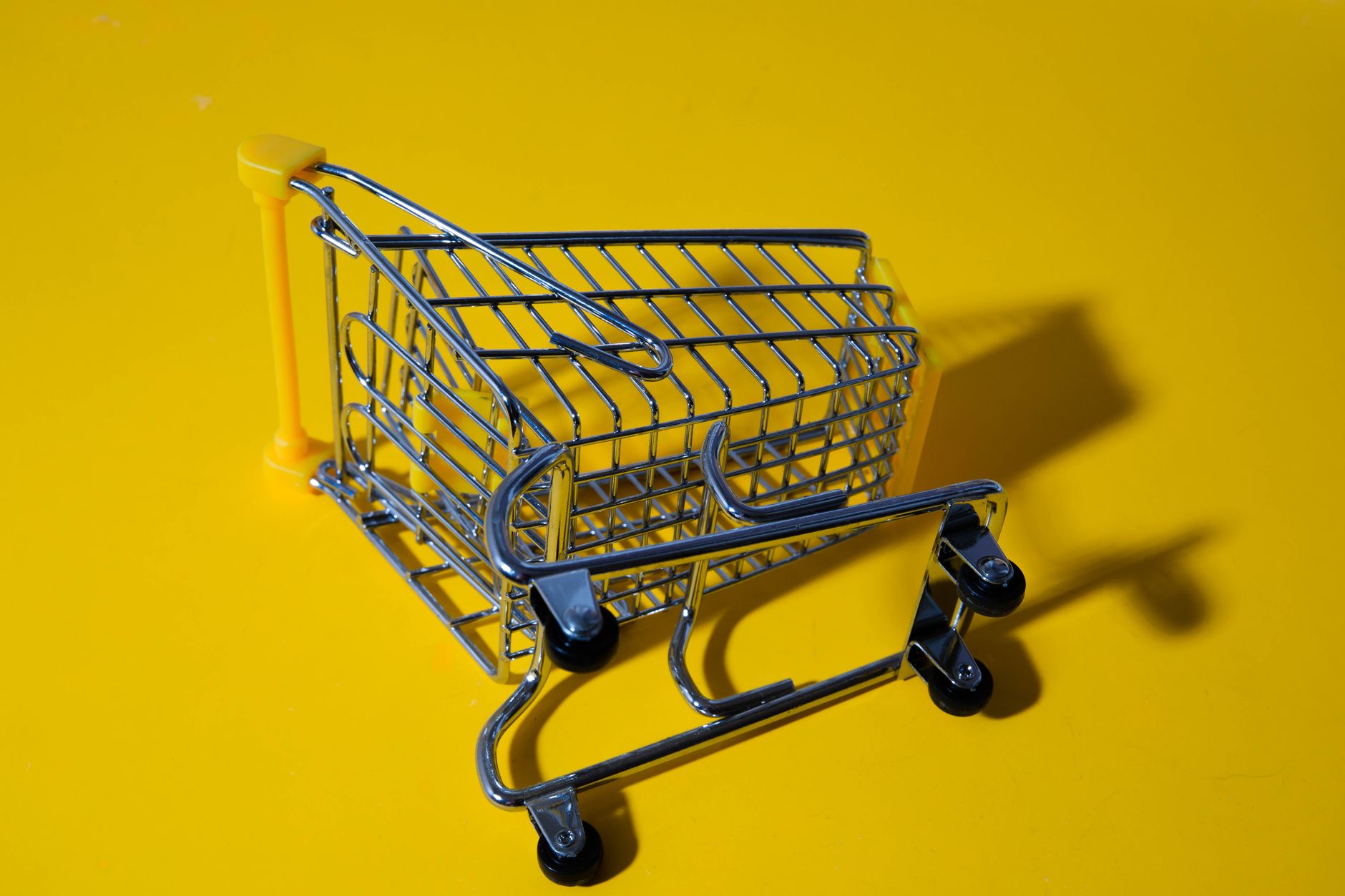
Mastering How to Increase Ecommerce Sales: Your Ultimate Guide
how to increase ecommerce sales

Mastering How to Increase Ecommerce Sales: Your Ultimate Guide

Discover actionable strategies to skyrocket your online store's revenue and customer base, starting today.

Start Boosting Sales

Key Takeaways

  • ✓ Personalization can increase sales by 10-15%.
  • ✓ Mobile commerce accounts for over 50% of all online sales.
  • ✓ Customer retention is 5x cheaper than customer acquisition.
  • ✓ Abandoned carts cost businesses an estimated $18 billion annually.

How It Works

1
Optimize Your Storefront

Enhance user experience with a fast, intuitive, and mobile-responsive website. Clear navigation and high-quality product imagery are crucial for first impressions.

2
Drive Targeted Traffic

Implement SEO, paid advertising, and social media strategies to attract the right audience. Focus on channels where your ideal customers spend their time.

3
Convert Visitors into Buyers

Utilize compelling product descriptions, social proof, and streamlined checkout processes. Address potential objections and build trust to encourage purchases.

4
Foster Customer Loyalty

Engage customers post-purchase with excellent service, loyalty programs, and personalized communication. Repeat business is a cornerstone of sustainable growth.

Optimizing Your Ecommerce Store for Maximum Conversions
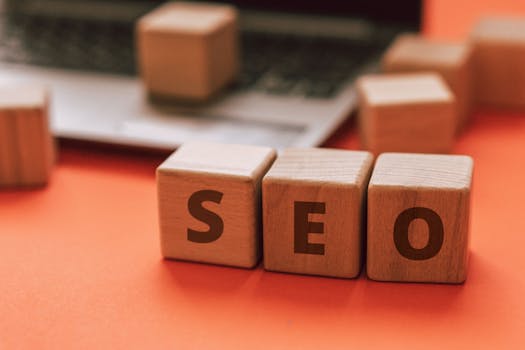
Wooden blocks spelling SEO on a laptop keyboard convey digital marketing concepts. Photo: Atlantic Ambience / Pexels
In the highly competitive digital landscape, understanding how to increase ecommerce sales begins with a meticulously optimized storefront. Your website is your virtual shop window, and its design, speed, and user-friendliness directly impact conversion rates. A slow-loading site, for instance, can lead to over 40% of visitors abandoning it before it even loads. This highlights the critical importance of technical optimization. Start by ensuring your website is lightning-fast; leverage content delivery networks (CDNs), compress images, and minimize code to shave off precious seconds. A smooth, responsive design that adapts seamlessly to all devices, especially mobile, is non-negotiable. With over half of all online shopping now occurring on mobile devices, a clunky mobile experience is a direct sales killer. Beyond speed and responsiveness, the user experience (UX) must be intuitive and delightful. Clear, logical navigation helps customers find what they need effortlessly. Categorize products effectively, implement robust search functionality with filters, and ensure product pages are rich with information. High-quality product photography and videography are paramount. Customers cannot physically touch or try on products online, so visual appeal and detailed imagery from multiple angles, alongside lifestyle shots, are essential substitutes. Think about including 360-degree views or augmented reality features where possible to bridge this gap. Furthermore, compelling product descriptions do more than just list features; they tell a story and highlight benefits. Focus on how the product solves a problem or enhances the customer's life. Incorporate keywords naturally to aid search engine visibility. Social proof, in the form of customer reviews, testimonials, and user-generated content, builds trust and credibility. Displaying these prominently can significantly influence purchasing decisions. Consider integrating a questions and answers section on product pages to proactively address common queries and alleviate buyer hesitation. Finally, a clear call-to-action (CTA) on every product page, such as 'Add to Cart' or 'Buy Now,' should be prominent and unambiguous. These elements collectively transform your website from a mere catalog into a powerful sales engine, directly impacting how to increase ecommerce sales. For deeper insights into building a robust online presence, explore strategies for effective ecommerce platform selection.

Driving Targeted Traffic and Engagement to Your Store

Shopping cart with money next to a laptop symbolizing online shopping and e-commerce. Photo: www.kaboompics.com / Pexels
Once your store is optimized, the next crucial step in how to increase ecommerce sales is to attract the right audience. Driving targeted traffic means bringing visitors who are genuinely interested in your products, increasing the likelihood of conversion. This requires a multi-faceted approach to digital marketing. Search Engine Optimization (SEO) is fundamental; it ensures your store ranks high on search engines for relevant keywords, bringing in organic, high-intent traffic. Conduct thorough keyword research, optimize product titles, descriptions, and category pages, and build high-quality backlinks to establish authority. Regularly publishing blog content related to your products and industry can also significantly boost your organic reach and establish your brand as a thought leader. Paid advertising, such as Google Ads and social media ads (Facebook, Instagram, Pinterest, TikTok), offers immediate visibility and precise targeting capabilities. Google Shopping Ads, in particular, are highly effective for ecommerce, displaying your products directly in search results. Social media platforms allow for granular audience segmentation based on demographics, interests, and behaviors, enabling you to reach your ideal customer with tailored messages. Experiment with different ad formats, A/B test your ad creatives and copy, and continuously monitor performance to optimize your campaigns for the best return on ad spend (ROAS). Remember, the goal isn't just clicks, but qualified clicks that lead to sales. Email marketing remains one of the most cost-effective strategies for engagement and sales. Build an email list through pop-ups, lead magnets, and checkout opt-ins. Segment your audience and send personalized campaigns, including welcome series, abandoned cart reminders, promotional offers, and post-purchase follow-ups. Automated email flows can recover lost sales and nurture customer relationships over time. Social media marketing also plays a vital role beyond paid ads. Cultivate a strong brand presence, engage with your audience, run contests, and collaborate with influencers to expand your reach and build a loyal community around your brand. Each of these channels, when strategically implemented, contributes significantly to driving valuable traffic and ultimately, how to increase ecommerce sales.

Leveraging Advanced Strategies for Conversion and Retention

Hands of a small business owner sealing thank you cards with an ink pad. Photo: RDNE Stock project / Pexels
Beyond initial optimization and traffic generation, advanced strategies are essential for sustained growth and mastering how to increase ecommerce sales. Conversion Rate Optimization (CRO) is an ongoing process of improving your website to maximize the percentage of visitors who complete a desired action, such as making a purchase. This involves A/B testing different elements on your site – from button colors and copy to page layouts and checkout flows. Analyze user behavior through heatmaps, session recordings, and analytics to identify friction points and areas for improvement. A smoother, more reassuring path to purchase directly translates to higher sales. One of the most significant hurdles in ecommerce is abandoned carts. Implementing robust abandoned cart recovery strategies can reclaim a substantial portion of lost revenue. This typically involves a series of automated emails sent to users who added items to their cart but didn't complete the purchase. These emails can offer reminders, highlight product benefits, provide social proof, or even include a small incentive like free shipping or a discount code to encourage completion. The timing and messaging of these emails are crucial for their effectiveness. Personalized product recommendations, both on your website and in email communications, can also significantly boost average order value (AOV) and conversion rates. Leveraging AI-powered recommendation engines can analyze browsing and purchase history to suggest relevant items, often leading to impulse buys or discovering complementary products. Customer retention is arguably more important and cost-effective than customer acquisition in the long run. Building customer loyalty through exceptional post-purchase experiences is key. This includes fast and reliable shipping, easy returns, and proactive customer service. Loyalty programs, where customers earn points or rewards for repeat purchases, can incentivize continued engagement. Personalized follow-up emails, birthday discounts, and exclusive access to new products or sales make customers feel valued and encourage them to return. Soliciting feedback and actively responding to it also builds trust and shows customers their opinions matter. By focusing on both converting new visitors and retaining existing ones, you create a powerful cycle that continuously reinforces how to increase ecommerce sales. For more on building a loyal customer base, consider strategies for improving customer lifetime value.

Common Mistakes to Avoid and Quick Wins for Sales Growth

An outdoor scene of a package being delivered and a receipt being signed. Photo: Artem Podrez / Pexels
While focusing on what to do is crucial, understanding what NOT to do is equally important when looking at how to increase ecommerce sales. Avoiding common pitfalls can save you time, money, and missed opportunities. Here are some prevalent mistakes and quick wins: **Common Mistakes to Avoid:** * **Ignoring Mobile Optimization:** As mentioned, a non-responsive or slow mobile site is a direct deterrent for a large segment of your audience. Always test your site on various mobile devices. * **Poor Product Photography/Descriptions:** Blurry images or generic descriptions fail to convey value and build trust. Invest in high-quality visuals and benefit-driven copy. * **Complicated Checkout Process:** Too many steps, forced account creation, or hidden fees are major causes of cart abandonment. Streamline your checkout, offer guest checkout, and be transparent about all costs upfront. * **Lack of Customer Service:** Unanswered queries or slow support erode trust. Provide multiple contact options and aim for quick, helpful responses. * **No Clear Call-to-Actions (CTAs):** If visitors don't know what to do next, they'll leave. Ensure every page has a clear, compelling CTA. * **Forgetting Post-Purchase Engagement:** Sales don't end at checkout. Neglecting follow-ups or loyalty programs means missing out on repeat business and word-of-mouth marketing. **Quick Wins for Sales Growth:** * **Implement Exit-Intent Pop-ups:** Offer a discount or free shipping to visitors about to leave your site, often converting otherwise lost sales. * **Add Live Chat Support:** Address customer questions in real-time, reducing friction and increasing confidence. * **Offer Free Shipping:** This is a powerful incentive. If not sustainable for all orders, offer it above a certain purchase threshold to increase AOV. * **Run Limited-Time Offers/Flash Sales:** Create urgency and scarcity to encourage immediate purchases. * **Utilize User-Generated Content (UGC):** Encourage customers to share photos or videos of your products. Displaying UGC on your site or social media acts as powerful social proof. * **Optimize Product Page Load Speed:** Even a slight improvement can significantly reduce bounce rates and improve conversions. * **Upsell and Cross-sell:** Suggest complementary products or higher-value alternatives at relevant points in the customer journey (e.g., on product pages, in the cart, or at checkout). This can dramatically increase your Average Order Value (AOV). By proactively addressing these mistakes and implementing these quick wins, you can see a noticeable uptick in your ecommerce sales much faster than through long-term strategies alone.

Comparison

FeatureBest OptionAlternative 1Alternative 2
Website SpeedCDN + Image CompressionOptimized HostingCaching Plugins
Traffic GenerationSEO + Paid AdsSocial Media MarketingInfluencer Collaborations
Conversion RateA/B Testing + CRO ToolsPersonalization EngineStreamlined Checkout
Customer LoyaltyLoyalty ProgramsExceptional Customer ServiceEmail Marketing Automation

What Readers Say

"This guide provided such clear, actionable steps on how to increase ecommerce sales. We implemented the abandoned cart recovery strategy and saw a 15% increase in recovered revenue within the first month. Incredibly helpful!"

Sarah J. · Austin, TX

"As a small business owner, I was overwhelmed. This article broke down complex topics into digestible strategies. Our mobile conversion rate jumped after following the optimization tips."

Mark T. · Miami, FL

"The section on targeted traffic completely changed our ad strategy. We started focusing on specific demographics, and our ROAS improved by 2.5x. This is a must-read for anyone looking to increase ecommerce sales."

Emily R. · Seattle, WA

"While very comprehensive, some of the advanced strategies require a bit of technical know-how. However, the foundational advice on website optimization alone is worth its weight in gold for boosting sales."

David L. · Chicago, IL

"We were struggling with customer retention. Implementing a loyalty program based on this guide's advice has significantly increased repeat purchases and customer lifetime value. It truly shows how to increase ecommerce sales holistically."

Jessica M. · Denver, CO

Frequently Asked Questions

What is the single most effective way to increase ecommerce sales quickly?

While there's no single magic bullet, optimizing your checkout process and implementing robust abandoned cart recovery sequences often yield the fastest results. Many customers are close to buying but get deterred at the last minute; addressing these friction points directly impacts immediate sales.

My website traffic is high, but sales are low. What's wrong?

This often indicates a conversion rate issue rather than a traffic problem. Focus on improving your website's user experience, product page quality, social proof, and call-to-actions. Ensure your traffic is highly targeted and that your value proposition is clear and compelling to visitors.

How do I know which marketing channels are best for my ecommerce store?

Start by understanding where your target audience spends their time online. Experiment with a few channels like SEO, social media ads, and email marketing, and use analytics to track performance. Double down on channels that show the best return on investment for your specific products and audience.

What is a reasonable budget to allocate for marketing when trying to increase ecommerce sales?

Marketing budgets vary widely, but a common starting point for new businesses is 10-20% of projected revenue. For established businesses, it might be 5-10%. Prioritize channels with high ROI and scale up as you see positive returns. Reinvesting profits into marketing is key for growth.

How important is customer service in increasing ecommerce sales?

Exceptional customer service is paramount. It builds trust, encourages repeat purchases, and generates positive word-of-mouth referrals. Poor service can lead to lost sales, negative reviews, and a damaged brand reputation. It's a critical component of long-term sales growth and customer lifetime value.

Who should prioritize these strategies for increasing ecommerce sales?

These strategies are beneficial for any ecommerce business, from small startups to large enterprises, across all industries. Whether you're just launching, experiencing a sales plateau, or aiming for aggressive growth, the principles of optimization, traffic generation, conversion, and retention apply universally.

Are there any risks associated with aggressive sales tactics?

Yes, overly aggressive tactics like constant heavy discounts can devalue your brand and attract price-sensitive customers who won't be loyal. Spamming customers with emails or using deceptive practices can also damage trust. Focus on building genuine value and long-term relationships rather than short-term gains at any cost.

What future trends should I watch to keep increasing ecommerce sales?

Key future trends include AI-powered personalization, voice commerce, augmented reality (AR) for product visualization, shoppable social media, and sustainable/ethical consumerism. Adapting to these trends can give your store a significant competitive advantage and open new avenues for sales.

Ready to transform your online store's performance? By implementing these expert strategies on how to increase ecommerce sales, you can build a thriving business that consistently attracts, converts, and retains customers. Start applying these insights today and watch your revenue grow.

Topics: how to increase ecommerce salesboost online salesecommerce growth strategiesincrease conversion rateecommerce marketing tips
Leo List
Brampton weed
Adultwork