How to Get More Sales Ecommerce: The Ultimate Guide

Person holding a credit card while shopping online on a laptop, indicating ecommerce transactions.Photo: Negative Space / Pexels

How to Get More Sales Ecommerce: The Ultimate Guide

Master the art of driving conversions and scaling your online business with expert-level strategies.

Boost Your Sales Now

Key Takeaways

  • ✓ Personalization can increase sales by 20% on average.
  • ✓ Mobile commerce now accounts for over 50% of all e-commerce sales.
  • ✓ Abandoned cart emails recover 10-15% of lost sales.
  • ✓ High-quality product images are cited by 67% of consumers as 'very important' for purchase decisions.

How It Works

1
Optimize Your Store's User Experience

A seamless and intuitive website design is fundamental. Focus on fast loading times, easy navigation, and mobile responsiveness to keep visitors engaged.

2
Craft Compelling Product Pages

Detailed descriptions, high-quality visuals, and authentic customer reviews build trust and inform purchasing decisions. Highlight benefits over features.

3
Implement Smart Marketing & Promotion

Utilize targeted advertising, email marketing, and social media to reach your ideal customers. Offer incentives like discounts, free shipping, or bundles.

4
Analyze, Iterate, and Scale

Continuously monitor your analytics to understand customer behavior and identify areas for improvement. A/B test changes and scale what works best.

Mastering Your Ecommerce User Experience (UX)
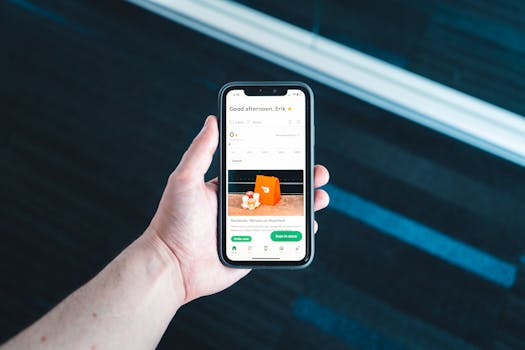
Hand holding smartphone with food delivery app on screen in bright setting.Photo: Erik Mclean / Pexels
In the competitive landscape of online retail, understanding how to get more sales ecommerce begins with a flawless user experience. Your website isn't just a storefront; it's the primary interaction point between your brand and your potential customers. A clunky, slow, or confusing website will deter visitors faster than almost anything else, regardless of how great your products are. Therefore, investing in UX optimization is not merely a suggestion but a critical necessity for boosting your sales. First and foremost, site speed is paramount. Modern consumers have little patience for slow-loading pages. Studies consistently show that even a one-second delay in page load time can lead to a significant drop in conversions and page views. Utilize tools like Google PageSpeed Insights to identify and address bottlenecks, from optimizing image sizes and leveraging browser caching to minimizing CSS and JavaScript. A faster site not only improves user satisfaction but also positively impacts your search engine rankings, driving more organic traffic. Learn more about optimizing your ecommerce store for performance. Next, consider intuitive navigation. Can a first-time visitor easily find what they're looking for within a few clicks? Your menu structure should be logical, clear, and consistent across all pages. Implement robust search functionality with filters and sorting options to help users quickly narrow down their choices. Breadcrumbs are also incredibly useful, providing a clear path of where the user is within your site hierarchy. The goal is to reduce cognitive load and make the journey from browsing to checkout as frictionless as possible. Mobile responsiveness is no longer optional; it's a fundamental requirement. With over half of all online purchases now made on mobile devices, your ecommerce store must look and function perfectly on smartphones and tablets. Test your site rigorously across various devices and screen sizes. Ensure buttons are tappable, text is readable without zooming, and forms are easy to fill out. A poor mobile experience is a guaranteed sales killer. Finally, streamline your checkout process. This is often the final hurdle, and even minor friction points can lead to abandoned carts. Minimize the number of steps, offer guest checkout options, clearly display shipping costs upfront, and integrate multiple secure payment gateways. Progress indicators can reassure customers about where they are in the process. Remember, every extra field or confusing instruction adds friction. By meticulously optimizing each of these UX elements, you lay a strong foundation for how to get more sales ecommerce, turning casual browsers into loyal customers.

Leveraging High-Impact Product Pages for Conversion
Minimalist setup featuring a Cyber Monday sale sign and computer mouse, perfect for online shopping themes.Photo: www.kaboompics.com / Pexels
The product page is where the magic happens – it's the virtual sales associate that convinces a customer to add an item to their cart. To truly understand how to get more sales ecommerce, you must recognize the power of a well-crafted product page. It needs to be informative, persuasive, and visually appealing, addressing all potential customer questions and overcoming objections before they even arise. Start with stunning visuals. High-resolution images from multiple angles are non-negotiable. Include lifestyle shots showing the product in use, scale images to demonstrate size, and consider 360-degree views or short video demonstrations. For clothing, model shots are crucial. The goal is to allow the customer to virtually 'touch' and 'feel' the product. Poor quality or insufficient images are a major red flag for online shoppers and a significant barrier to conversion. Next, focus on compelling product descriptions. Don't just list features; highlight benefits. Explain how the product solves a problem, improves their life, or fulfills a desire. Use evocative language, but keep it concise and scannable with bullet points and clear headings. Incorporate relevant keywords naturally to aid in SEO. For example, instead of just saying 'wireless headphones,' elaborate on 'immerse yourself in crystal-clear audio with these noise-cancelling wireless headphones, perfect for your daily commute or intense workouts.' Social proof is incredibly powerful. Integrate customer reviews and ratings prominently on your product pages. Authentic reviews build trust and provide valuable insights for potential buyers. Encourage customers to leave reviews, perhaps with a follow-up email or a small incentive. User-generated content, like customer photos, can also be highly effective. If applicable, showcase trust badges, security seals, and return policies clearly to alleviate purchase anxieties. Clarity around pricing, shipping, and availability is also crucial. Clearly state the price, any applicable discounts, and estimated shipping times and costs. Out-of-stock items should be clearly marked, ideally with an option for customers to be notified when the item is back in stock. A strong, clear call-to-action (CTA) button, such as 'Add to Cart' or 'Buy Now,' should stand out and be consistently placed. By meticulously optimizing these elements, your product pages transform from mere listings into powerful sales tools, directly contributing to how to get more sales ecommerce.

Strategic Marketing and Promotion for Maximum Reach

Even the best products and most optimized websites won't generate sales if no one knows about them. Strategic marketing and promotion are indispensable components of how to get more sales ecommerce. This involves reaching your target audience where they are, engaging them, and guiding them towards a purchase with well-timed incentives. Email marketing remains one of the most effective channels for ROI in ecommerce. Build your email list by offering incentives like discounts for signing up, exclusive content, or early access to sales. Segment your audience based on their browsing history, purchase behavior, and demographics to send highly personalized campaigns. Implement automated email flows for welcome sequences, abandoned carts, post-purchase follow-ups, and re-engagement campaigns. An abandoned cart recovery email alone can recoup a significant percentage of lost sales by reminding customers of their items and offering a gentle nudge or a small discount. Regular newsletters can keep your brand top-of-mind and announce new products or promotions. Discover advanced email marketing tactics for ecommerce. Social media marketing is crucial for brand building and direct sales. Identify the platforms where your target audience spends the most time. Develop a content strategy that showcases your products in creative ways, tells your brand story, and engages your community. Utilize features like shoppable posts, Instagram Shops, and TikTok product links to create direct purchase paths. Influencer marketing, partnering with relevant personalities, can also expose your brand to new, highly engaged audiences. Paid social media advertising allows for hyper-targeting, ensuring your ads are seen by those most likely to convert. Search Engine Optimization (SEO) and Paid Advertising (PPC) are two sides of the same coin when it comes to visibility. SEO ensures your store ranks high in organic search results for relevant keywords, driving consistent, free traffic over time. This involves optimizing product titles, descriptions, meta tags, and creating valuable blog content. PPC, on the other hand, offers immediate visibility through paid ads on search engines (like Google Shopping Ads) and social media. While it requires a budget, PPC campaigns can be highly effective for driving targeted traffic and sales quickly, especially for specific promotions or new product launches. The key is to continuously monitor and optimize your campaigns for maximum return on ad spend. Finally, consider strategic promotions and incentives. Free shipping is a powerful motivator; many customers abandon carts due to unexpected shipping costs. Offer limited-time discounts, bundle deals, loyalty programs, and referral incentives. Create a sense of urgency with flash sales or limited stock notifications. These tactics encourage immediate purchases and build customer loyalty. By integrating these diverse marketing and promotional strategies, you significantly amplify your efforts to how to get more sales ecommerce and achieve sustainable growth.

Optimizing Post-Purchase Experience and Customer Retention

While acquiring new customers is vital for how to get more sales ecommerce, retaining existing ones and turning them into repeat buyers is often more cost-effective and profitable. The post-purchase experience plays a critical role in fostering loyalty and encouraging repeat business. It's not just about the sale; it's about the entire customer journey, even after they've clicked 'purchase.' Excellent customer service is the cornerstone of retention. Be proactive in communication, providing order confirmations, shipping updates, and tracking information. Make it easy for customers to contact you through multiple channels – email, live chat, and phone. Respond promptly and resolve issues efficiently and empathetically. A positive customer service interaction can turn a potentially negative experience into an opportunity to build trust and goodwill. Consider implementing a robust FAQ section and self-service options to empower customers to find answers quickly. Encourage reviews and feedback. After a purchase, send a follow-up email asking for product reviews. This not only provides valuable social proof for future customers but also gives you insights into customer satisfaction and areas for improvement. Respond to both positive and negative reviews gracefully, showing that you value customer opinions. This transparency can significantly enhance your brand's reputation. Implement a robust loyalty program. Reward repeat customers with points, exclusive discounts, early access to new products, or special gifts. A tiered loyalty program can incentivize higher spending and deeper engagement. Making customers feel valued and appreciated is key to turning one-time buyers into lifelong advocates. This also creates a strong competitive advantage by fostering a community around your brand. Consider personalized follow-up campaigns. Based on their purchase history, recommend complementary products or offer special discounts on items they might be interested in. For example, if a customer bought a coffee machine, follow up with offers on coffee beans or accessories. This thoughtful approach demonstrates that you understand their needs and are not just pushing generic promotions. The goal is to build long-term relationships, knowing that loyal customers not only make repeat purchases but also become brand ambassadors, driving organic word-of-mouth referrals. By focusing on these post-purchase strategies, you effectively amplify your efforts in how to get more sales ecommerce, ensuring sustained growth and a thriving customer base.

Comparison

Strategy ElementBest PracticeCommon Mistake 1Common Mistake 2
Product ImagesHigh-res, multiple angles, lifestyle shotsLow-res, single image, generic stock photosNo zoom function
Product DescriptionsBenefit-focused, engaging, scannableFeature-only lists, jargon-heavy, wall of textCopied from manufacturer
Checkout ProcessGuest checkout, few steps, clear costsMandatory account creation, hidden fees, complex formsNo progress indicator
Email MarketingSegmented, personalized, automated flowsBatch-and-blast, generic content, infrequent sendsNo abandoned cart recovery
Customer ServiceProactive, multi-channel, fast responseSlow, limited channels, unhelpful responsesIgnoring negative feedback

What Our Readers Say

5 ★★★★★

"This guide completely transformed how I approach my online store. Implementing the UX improvements alone led to a 15% increase in conversions. It's truly comprehensive and actionable for anyone wondering how to get more sales ecommerce."

5 ★★★★★

"The sections on product page optimization were a game-changer. After revamping my product descriptions and adding more visuals, my average order value went up significantly. This is exactly what I needed to boost my ecommerce sales."

5 ★★★★★

"We struggled with abandoned carts until we implemented the email marketing strategies from this article. We recovered over $5,000 in sales in the first month! If you want to know how to get more sales ecommerce, read this."

4 ★★★★☆

"While some parts felt like a refresher, the deep dive into customer retention strategies was incredibly valuable. We're now focusing more on loyalty programs, which I believe will pay off long-term. A very solid resource overall."

5 ★★★★★

"As a new ecommerce entrepreneur, this guide provided a clear roadmap. The emphasis on mobile responsiveness and site speed was crucial for my startup. It clearly lays out how to get more sales ecommerce from day one."

Frequently Asked Questions

What is the single most important factor for increasing ecommerce sales?
While many factors contribute, a seamless and optimized user experience (UX) is arguably the most crucial. If your website is slow, difficult to navigate, or not mobile-friendly, potential customers will leave before they even see your products, negating any other marketing efforts.
Is it better to focus on acquiring new customers or retaining existing ones?
Both are important, but retaining existing customers is often more cost-effective. Repeat customers tend to spend more, convert at higher rates, and are more likely to refer others. A healthy balance of acquisition and retention strategies is ideal for sustained growth.
How can I effectively reduce abandoned carts?
To reduce abandoned carts, simplify your checkout process by minimizing steps, offering guest checkout, clearly displaying all costs upfront (including shipping), and providing multiple payment options. Automated abandoned cart email sequences are also highly effective in recovering lost sales.
What's the typical investment needed to significantly boost ecommerce sales?
The investment varies widely. Some strategies, like optimizing product descriptions or improving site speed, can be done with minimal cost or in-house effort. Others, like paid advertising or advanced personalization tools, require a budget. Focus on strategies that offer the highest ROI for your specific business stage and resources.
How do personalization strategies compare to generic promotions?
Personalization consistently outperforms generic promotions. Tailoring product recommendations, email content, and website experiences based on user behavior and preferences creates a more relevant and engaging experience, leading to higher conversion rates and customer satisfaction compared to one-size-fits-all offers.
Who should implement these strategies for how to get more sales ecommerce?
These strategies are beneficial for any ecommerce business owner, marketing manager, or digital strategist looking to improve their online store's performance. Whether you're a small startup or a large enterprise, the principles of UX, compelling product pages, strategic marketing, and customer retention are universal for driving sales.
Are there any risks associated with aggressive sales tactics?
Yes, overly aggressive sales tactics, such as constant pop-ups, misleading discounts, or pressure-selling without genuine value, can alienate customers and damage brand trust. The key is to offer genuine value and incentives in a way that enhances the customer experience, rather than detracts from it.
What future trends should I consider for increasing ecommerce sales?
Emerging trends include AI-powered personalization, voice commerce optimization, augmented reality (AR) for product visualization, and increased focus on sustainable and ethical business practices. Staying abreast of these trends can provide a competitive edge in how to get more sales ecommerce.

Ready to transform your online store's performance? Apply these expert strategies on how to get more sales ecommerce today and watch your conversions soar. Start building a thriving, profitable online business now!

Topics: how to get more sales ecommerceecommerce conversion optimizationboost online salesecommerce growth strategiesincrease ecommerce revenue
Leo List
Brampton weed
Adultwork