✓ Shipping costs are a leading cause of cart abandonment.
✓ Expedited shipping options can significantly increase conversion rates.
✓ Effective returns management is crucial for customer loyalty.
✓ Automation can reduce shipping errors by up to 80%.
How It Works
1
Assess Your Current Operations
Analyze existing shipping processes, costs, and customer feedback. Identify bottlenecks and areas for improvement to set a baseline.
2
Define Your Shipping Goals
Establish clear objectives such as reducing costs, improving delivery times, or expanding service areas. These goals will guide your strategy development.
3
Choose the Right Partners & Technology
Select carriers, fulfillment centers, and shipping software that align with your goals and budget. Leverage technology for efficiency and scalability.
4
Implement, Monitor & Optimize
Roll out your new strategy, continuously track performance metrics, and gather feedback. Be prepared to adapt and refine your approach for ongoing success.
Understanding the Pillars of an Effective ecommerce shipping strategy guide
Photo: GB The Green Brand / Pexels
In today's competitive digital landscape, an effective ecommerce shipping strategy is no longer just about getting products from point A to point B; it's a critical component of your overall customer experience and business profitability. For many online retailers, shipping is often viewed as a necessary evil – a cost center that eats into margins. However, a well-thought-out strategy can transform shipping into a powerful differentiator, driving customer loyalty and increasing average order value. This guide will delve into the fundamental pillars that underpin a robust ecommerce shipping strategy, helping you navigate the complexities and emerge with a system that works for you and your customers.
At its core, a successful shipping strategy balances speed, cost, and reliability. Customers expect fast, affordable, and transparent shipping, while businesses need to manage expenses and maintain operational efficiency. The first pillar is undoubtedly 'Cost Management'. This involves a deep dive into carrier rates, packaging expenses, and labor costs. Many businesses mistakenly focus solely on the sticker price of a shipping label, overlooking the cumulative impact of inefficient packaging, frequent returns, or manual order processing. Understanding dimensional weight, negotiating carrier discounts, and optimizing packaging to reduce material usage and void fill are all crucial steps in controlling costs. Furthermore, exploring options like regional carriers or postal services for specific types of shipments can yield significant savings compared to relying solely on major national carriers.
The second pillar is 'Customer Experience and Expectations'. In an age where Amazon has set the bar high, customers expect transparency, real-time tracking, and flexible delivery options. Offering various shipping speeds – from economy to express – allows customers to choose what best fits their needs and budget. Clear communication about shipping costs, estimated delivery times, and return policies at every stage of the buying journey (from product page to checkout) builds trust and reduces cart abandonment. Providing easy-to-understand tracking information and proactive updates about potential delays can turn a potentially negative experience into a positive one. Personalization, such as offering local pickup or specific delivery windows, can further enhance satisfaction, especially for niche markets or high-value items.
'Operational Efficiency' forms the third crucial pillar. This encompasses everything from warehouse layout and inventory management to order fulfillment processes and returns handling. Streamlining these internal operations through automation, robust inventory management systems, and efficient pick-and-pack procedures can drastically reduce errors, speed up processing times, and lower labor costs. Integrating your ecommerce platform with shipping software can automate label generation, tracking updates, and even customs documentation, freeing up valuable time and resources. For businesses experiencing growth, considering a 3PL (Third-Party Logistics) provider can be a strategic move to outsource fulfillment and leverage their expertise and infrastructure. This allows you to focus on core business activities while specialists handle the complexities of warehousing and shipping. Ultimately, a holistic approach to these pillars ensures that your shipping strategy supports your business goals and delight your customers at every turn.
Choosing the Right Shipping Carriers and Services for Your Business
Photo: Artem Podrez / Pexels
Selecting the appropriate shipping carriers and services is a pivotal decision in crafting your ecommerce shipping strategy guide. The choice directly impacts your costs, delivery speed, reliability, and ultimately, your customer satisfaction. There isn't a one-size-fits-all solution; the best carriers and services for your business will depend on various factors including the size and weight of your products, your typical shipping volume, your target audience's geographical location, and your budget. Major national carriers like UPS, FedEx, and USPS dominate the U.S. market, each offering distinct advantages and disadvantages. UPS and FedEx are generally known for their reliable expedited services and robust tracking, often favored for heavier or higher-value shipments, but typically come with higher price tags. USPS, on the other hand, is often the most economical option for lighter packages and offers competitive rates for priority mail, making it a popular choice for small businesses and consumer goods.
Beyond these giants, regional carriers like OnTrac or LaserShip can offer competitive rates and faster delivery times within specific geographic areas, making them an excellent choice for businesses with concentrated customer bases. For international shipping, specialized carriers or freight forwarders might be necessary, navigating complex customs regulations and offering services like customs brokerage. It's crucial to compare not just the base shipping rates but also surcharges for fuel, residential delivery, remote areas, and peak seasons. Many carriers also offer discounted rates for businesses with high shipping volumes, so negotiating these terms can lead to significant savings over time. Don't overlook the importance of insurance, especially for valuable items, and consider services like delivery confirmation or signature requirements for added security.
When evaluating services, think about the different speeds you want to offer. Standard ground shipping is typically the most cost-effective but slowest. Expedited options like 2-day or overnight shipping can be a powerful incentive for customers but come at a premium. Free shipping, often absorbed into product pricing or offered above a certain order value, has become an expectation for many online shoppers and can significantly boost conversion rates. However, it requires careful financial modeling to ensure profitability. Consider flat-rate shipping for specific product categories or order values, or weight-based shipping for products with varying sizes and weights. Zone-based shipping, which charges based on the distance between your origin and destination, is another common method that accurately reflects carrier costs. The key is to offer a mix of options that cater to different customer needs and price points while remaining sustainable for your business.
Furthermore, explore value-added services. Returns management is a critical aspect; many carriers offer solutions for generating return labels and facilitating reverse logistics, which can greatly improve the customer experience. Packaging services, while often more expensive than in-house solutions, can be beneficial for fragile or unusually shaped items. Integration with your ecommerce platform and order management system is also vital. A seamless connection allows for automated label generation, real-time rate comparisons, and tracking updates, minimizing manual errors and improving efficiency. Leveraging shipping software that aggregates rates from multiple carriers can help you automatically select the most cost-effective or fastest option for each order, optimizing both your expenses and delivery performance.
Optimizing Packaging, Fulfillment, and Returns for Profitability
Photo: Ron Lach / Pexels
Optimizing packaging, fulfillment, and returns are interconnected components of an efficient ecommerce shipping strategy guide that directly impact profitability and customer satisfaction. These elements, often overlooked, can be significant drivers of both cost and customer loyalty. Starting with packaging, it's more than just a box; it's an extension of your brand and a protector of your product. The goal is to find the sweet spot between protection, presentation, and cost-effectiveness. Using appropriately sized packaging is crucial to avoid paying for dimensional weight surcharges, where carriers charge based on the package's volume rather than its actual weight. Oversized boxes filled with excessive void fill not only increase shipping costs but also create a negative impression on environmentally conscious customers. Explore sustainable packaging options like recycled materials, compostable mailers, or custom-fit boxes that reduce waste and enhance brand perception.
Fulfillment, the process of receiving, storing, picking, packing, and shipping orders, is the operational heart of your shipping strategy. Efficient fulfillment minimizes errors, speeds up delivery, and reduces labor costs. For smaller businesses, self-fulfillment from a home office or small warehouse is common. As order volume grows, implementing a structured warehouse layout, using barcode scanners for inventory management, and optimizing pick paths can dramatically improve efficiency. For businesses with significant growth, partnering with a 3PL (Third-Party Logistics) provider can be a game-changer. 3PLs handle all aspects of warehousing, fulfillment, and often returns, allowing you to scale without investing heavily in infrastructure or personnel. They leverage economies of scale, often securing better shipping rates and offering advanced technology for inventory tracking and order processing. When choosing a 3PL, consider their location relative to your customer base, their technology integration capabilities, and their expertise in handling your specific product types. A well-chosen 3PL can significantly enhance your operational efficiency and customer delivery experience.
Finally, returns management, often seen as a burden, is a critical touchpoint for customer loyalty and can be a competitive advantage. A seamless and clear returns policy builds trust and encourages repeat purchases. Customers are more likely to buy from retailers with hassle-free return processes. This means providing clear instructions, easy-to-print return labels, and transparent communication about return status and refunds. Automating parts of the returns process, such as generating return labels and initiating refunds upon receipt, can reduce administrative overhead. For certain products, consider offering exchange options or store credit instead of full refunds, which can retain revenue. Analyzing return data can also provide valuable insights into product quality issues, sizing inconsistencies, or misleading product descriptions, allowing you to address root causes and reduce future returns. Remember, a customer who has a positive return experience is more likely to shop with you again, making an efficient returns process an investment in long-term customer value. Ecommerce businesses that master these three areas – packaging, fulfillment, and returns – are well-positioned for sustained growth and customer satisfaction.
Common Shipping Mistakes to Avoid and Advanced Optimization Tips
Photo: Tima Miroshnichenko / Pexels
Even with a well-laid plan, many ecommerce businesses fall prey to common shipping mistakes that can erode profitability and damage customer trust. Avoiding these pitfalls is as crucial as implementing best practices. Here are some of the most frequent errors and advanced tips to help you stay ahead:
**Common Shipping Mistakes to Avoid:**
* **Underestimating Shipping Costs:** Many businesses fail to account for all shipping-related expenses, including packaging materials, labor, insurance, and carrier surcharges. This leads to inaccurate pricing and reduced margins. Always factor in the total cost of shipping, not just the label price.
* **Lack of Transparency:** Hiding shipping costs until the very end of the checkout process is a major cause of cart abandonment. Be upfront about shipping fees and delivery times from product pages onwards. Surprises at checkout lead to frustration.
* **Limited Shipping Options:** Offering only one shipping speed or carrier can alienate customers. Some prioritize speed, others cost. Provide a range of choices to cater to different needs and budgets.
* **Poor Packaging:** Inadequate packaging leads to damaged goods, costly returns, and negative reviews. Conversely, over-packaging increases costs and waste. Invest in appropriate, efficient packaging that protects products without excess.
* **Ignoring Returns:** Treating returns as an afterthought creates a frustrating experience for customers. A clunky return process can deter future purchases. Have a clear, easy-to-follow return policy and process.
* **Not Tracking Performance:** Failing to monitor key shipping metrics (delivery times, costs per shipment, return rates) means you can't identify problems or opportunities for improvement. Data is essential for optimization.
* **Manual Processes:** Relying heavily on manual label generation, tracking updates, and inventory management is prone to errors and scales poorly. Automation is key to efficiency as your business grows.
**Advanced Optimization Tips:**
* **Leverage Shipping Software Integration:** Utilize platforms that integrate seamlessly with your ecommerce store, carriers, and inventory systems. This automates label creation, rate shopping, tracking, and returns, drastically improving efficiency.
* **Negotiate Carrier Rates:** Don't just accept published rates. As your shipping volume increases, reach out to carriers to negotiate custom discounts. Even small reductions can lead to significant savings.
* **Consider Multi-Carrier Strategy:** Don't put all your eggs in one basket. Use different carriers for different types of shipments (e.g., USPS for lightweight, UPS for heavy, regional for local) to get the best rates and service.
* **Implement Distributed Inventory/Warehousing:** If you have customers spread across the country, consider storing inventory in multiple locations or using a 3PL with multiple fulfillment centers. This reduces shipping zones and speeds up delivery.
* **Utilize Shipping Rules and Automation:** Set up rules in your shipping software to automatically select the cheapest or fastest shipping method based on order value, weight, destination, or product type.
* **Analyze Your Return Data:** Go beyond processing returns. Understand *why* products are being returned. Is it sizing? Quality? Misleading descriptions? Use this data to improve products, descriptions, and reduce future returns.
* **Offer Local Pickup/Delivery:** For businesses with a physical presence, offering local pickup can eliminate shipping costs for nearby customers and provide an additional touchpoint. For local businesses, consider in-house delivery within a certain radius.
* **Strategic Free Shipping:** Instead of blanket free shipping, offer it strategically – above a certain order value to increase AOV, or for specific promotions. Communicate the value clearly.
* **Personalize Delivery Options:** Explore services that allow customers to choose specific delivery windows or redirect packages, providing greater control and convenience. This is a premium service but can enhance satisfaction for high-value purchases.
* **Stay Updated on Carrier Changes:** Carriers frequently adjust rates, surcharges, and services. Regularly review these changes to ensure your strategy remains cost-effective and competitive.
Comparison
Feature
Best for Small, Light Items
Best for Heavy/Bulky Items
Best for Speed & Tracking
Best for International
Primary Carrier
USPS
UPS / FedEx Freight
UPS / FedEx Express
Specialized Freight / DHL
Cost Efficiency
High
Medium (volume discounts)
Low
Variable (customs factor)
Tracking & Visibility
Good
Excellent
Excellent
Good (can be complex)
Delivery Speed
Standard (1-5 days)
Standard (3-7 days)
Fast (1-2 days)
Variable (customs dependent)
Insurance Options
✓
✓
✓
✓
Returns Management
Good
Good
Good
✗ (often third-party)
Integration with Software
✓
✓
✓
✓
What Readers Say
★★★★★
"This ecommerce shipping strategy guide completely transformed how we approach logistics. We've cut costs by 15% and our customers are happier with faster, more reliable deliveries. A must-read for any online store owner."
Sarah J. · Austin, TX
★★★★★
"Before this guide, shipping felt like a chaotic expense. Now, we have a clear, actionable plan. The section on carrier selection alone saved us hundreds monthly. Highly recommend it for optimizing your shipping."
Mark D. · Miami, FL
★★★★★
"Our small business struggled with balancing shipping costs and customer expectations. Following the advice in this guide, we implemented zone-based shipping and saw a 20% increase in conversion rates for remote customers. Fantastic resource!"
Emily R. · Seattle, WA
★★★★★
"The guide is incredibly thorough and practical. While some advanced tips were a bit much for our current scale, the foundational strategies were invaluable. It's a comprehensive resource that grows with your business."
Chris P. · Chicago, IL
★★★★★
"As a new ecommerce entrepreneur, shipping was my biggest headache. This ecommerce shipping strategy guide broke down complex topics into easy-to-understand steps. My fulfillment process is now smooth, and I'm confident in my pricing."
Jessica L. · Denver, CO
Frequently Asked Questions
What is the most crucial element of an effective ecommerce shipping strategy guide?
The most crucial element is balancing customer expectations (speed, cost, transparency) with your business's profitability goals. It requires a holistic approach that considers carrier selection, packaging optimization, fulfillment efficiency, and a clear returns policy, all while managing costs effectively to ensure sustainable growth and customer satisfaction.
How can I reduce shipping costs without sacrificing customer satisfaction?
Reducing shipping costs without impacting customer satisfaction involves several strategies: optimizing packaging to reduce dimensional weight, negotiating better rates with carriers based on volume, utilizing a multi-carrier strategy to compare rates, and strategically offering free shipping on higher-value orders to absorb costs while boosting average order value. Transparency about shipping options also helps manage expectations.
How do I choose the best shipping carrier for my ecommerce business?
Choosing the best shipping carrier depends on your product type (size, weight), shipping volume, target delivery speed, and customer locations. Compare rates, reliability, tracking capabilities, and available services (e.g., insurance, returns management) from multiple carriers like USPS, UPS, and FedEx. Don't be afraid to use different carriers for different needs.
Is offering free shipping always a good idea for an ecommerce business?
Not always. While free shipping can significantly boost conversions, it comes at a cost. It's a good idea if you can absorb the cost into your product pricing, offer it above a certain order threshold to increase average order value, or use it as a strategic promotional tool. Always analyze its impact on your margins before implementing it across the board.
What role does technology play in an ecommerce shipping strategy?
Technology is paramount. Shipping software integrates with your ecommerce platform to automate label generation, compare carrier rates, manage tracking, and streamline returns. This reduces manual errors, saves time, improves efficiency, and provides customers with real-time updates, ultimately enhancing the entire shipping and fulfillment process.
Who should use an ecommerce shipping strategy guide?
Any ecommerce business, from startups to established enterprises, can benefit. New businesses need a foundational understanding to set up correctly, while growing businesses require strategies to scale efficiently. Businesses struggling with high shipping costs, frequent customer complaints about delivery, or inefficient fulfillment will find it particularly helpful.
What are the risks of a poorly executed ecommerce shipping strategy?
A poorly executed shipping strategy can lead to high operational costs, frequent shipping errors, damaged goods, late deliveries, and a poor customer experience. This can result in cart abandonment, negative reviews, reduced customer loyalty, and ultimately, a significant loss of revenue and brand reputation.
How will ecommerce shipping evolve in the coming years?
Ecommerce shipping will increasingly focus on speed, sustainability, and personalization. Expect greater adoption of AI and automation for route optimization and warehouse management, more localized fulfillment centers, increased demand for eco-friendly packaging and delivery options, and sophisticated predictive analytics to anticipate demand and manage inventory more effectively.
Ready to transform your shipping from a cost center into a competitive advantage? Dive deeper into this ecommerce shipping strategy guide and start implementing these powerful techniques today. Optimize your operations, delight your customers, and watch your business thrive.

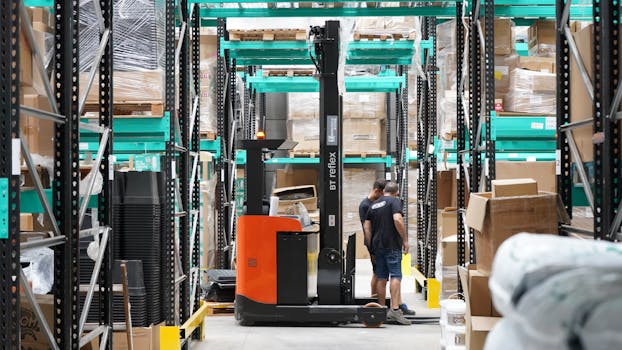 Photo: GB The Green Brand / Pexels
 Photo: Artem Podrez / Pexels
 Photo: Ron Lach / Pexels
 Photo: Tima Miroshnichenko / Pexels