✓ 93% of online experiences begin with a search engine.
✓ The first page of Google captures 75% of all clicks.
✓ Organic search drives over 50% of website traffic.
✓ Optimizing product pages can increase conversion rates by up to 20%.
How It Works
1
Audit Your Current SEO Performance
Understand your baseline with a thorough technical and content audit. Identify existing strengths and critical areas for improvement.
2
Master Keyword Research for Ecommerce
Discover high-intent keywords that your target customers are using. Focus on long-tail, product-specific, and commercial investigation terms.
3
Optimize On-Page Elements & Content
Implement keywords strategically across titles, descriptions, headings, and product content. Ensure your pages are informative and engaging.
4
Build Authority with Technical SEO & Link Building
Address site speed, mobile-friendliness, and crawlability. Acquire high-quality backlinks to establish your store's credibility and domain authority.
Understanding the Fundamentals of Ecommerce SEO in 2024
Photo: https://kaboompics.com/ / Pexels
In the dynamic landscape of online retail, simply having an ecommerce store isn't enough; you need to be discoverable. The year 2024 brings with it evolving search engine algorithms and heightened consumer expectations, making an effective ecommerce SEO strategy more crucial than ever. At its core, ecommerce SEO is about optimizing your online store to rank higher in search engine results pages (SERPs) for relevant queries. This isn't just about driving traffic; it's about attracting the *right* traffic – potential customers actively looking for your products.
Google, and other search engines, are constantly refining how they evaluate websites. In 2024, factors like user experience (UX), mobile-first indexing, core web vitals, and E-E-A-T (Experience, Expertise, Authoritativeness, Trustworthiness) are paramount. This means your optimization efforts must extend beyond mere keyword stuffing. You need to create a seamless, fast, and trustworthy shopping experience that not only satisfies users but also signals to search engines that your site is a valuable resource. Furthermore, semantic search and AI's increasing role mean that understanding user intent behind queries is more important than ever. Your content shouldn't just contain keywords; it should comprehensively answer the questions and fulfill the needs implied by those keywords. This foundational understanding is the first step in leveraging our ecommerce SEO checklist 2024 to its fullest potential, ensuring your efforts are aligned with modern search engine expectations and consumer behavior. Without a solid grasp of these fundamentals, even the most diligent execution of tactical SEO steps might yield suboptimal results. Therefore, before diving into the specific items on the checklist, take a moment to internalize these overarching principles of discoverability and user-centricity.
Technical SEO Essentials for Ecommerce Stores
Photo: Atlantic Ambience / Pexels
A robust technical foundation is the bedrock of any successful ecommerce SEO strategy. Without it, even the most compelling product descriptions or brilliant link-building campaigns can fall flat. Our ecommerce SEO checklist 2024 prioritizes several technical elements that are critical for search engine crawlability, indexability, and overall user experience. First and foremost is site speed. In an age where every second counts, slow loading times lead to high bounce rates and negatively impact rankings. Tools like Google PageSpeed Insights can help you identify and address issues related to image optimization, server response times, and render-blocking resources. Mobile-friendliness is another non-negotiable. With the majority of online shopping now happening on mobile devices, Google’s mobile-first indexing means your mobile site is the primary version evaluated for ranking. Ensure your site is responsive, easily navigable on smaller screens, and offers a smooth checkout process.
Next, focus on your site structure and navigation. A logical, hierarchical structure helps both users and search engines understand your store's layout. Utilize clear categories, subcategories, and breadcrumbs. XML sitemaps and robots.txt files are crucial for guiding search engine crawlers – the sitemap tells them what pages to crawl, and robots.txt tells them what *not* to crawl. Proper canonicalization helps prevent duplicate content issues, which can dilute your SEO efforts. Implement schema markup, especially product schema, to provide rich snippets in SERPs, showcasing price, reviews, and availability directly in search results. This not only improves visibility but also click-through rates. Finally, ensure your HTTPS security is in place; it's a ranking factor and builds user trust. Regularly audit your technical SEO to catch and fix issues promptly, ensuring your store is always ready for search engine crawlers and provides an optimal experience for your customers.
On-Page Optimization: Product & Category Page Deep Dive
Photo: https://kaboompics.com/ / Pexels
Once your technical foundations are solid, the next crucial step in our ecommerce SEO checklist 2024 is mastering on-page optimization, particularly for your product and category pages. These are the pages where transactions happen, making their visibility paramount. Start with comprehensive keyword research, moving beyond generic terms to specific, long-tail keywords that capture buyer intent. For product pages, think about terms like "[brand name] [product name] review" or "buy [product name] [color] online." For category pages, focus on broader yet specific terms like "women's running shoes for pronation" rather than just "running shoes."
Each page needs a unique, keyword-rich title tag (under 60 characters) and a compelling meta description (under 160 characters) that encourages clicks. These don't directly impact rankings as much as they influence CTR, which indirectly affects visibility. Within your product descriptions, go beyond basic features. Highlight benefits, use cases, and address potential customer questions. Incorporate your target keywords naturally, but prioritize readability and persuasive copy. Utilize H1-H6 tags to structure your content logically, with your primary keyword in the H1. Optimize product images with descriptive alt text and appropriate file names – this aids image search and accessibility. User-generated content, such as customer reviews and Q&A sections, is incredibly valuable. Not only does it provide fresh, keyword-rich content, but it also builds trust and provides social proof. Ensure your internal linking structure is robust, linking related products and categories to help distribute 'link juice' and improve discoverability. For example, from a specific product page, you might link to related products or accessories, guiding users deeper into your site and signalling relevance to search engines. Regularly refresh and expand your product and category page content to keep it relevant and competitive.
Content Marketing & Off-Page SEO Strategies for Ecommerce Growth
Photo: Nataliya Vaitkevich / Pexels
Beyond on-page and technical optimizations, a comprehensive ecommerce SEO checklist 2024 must include robust content marketing and off-page SEO strategies. These elements are crucial for building domain authority, attracting organic traffic, and establishing your brand as a leader in your niche. Content marketing for ecommerce goes beyond product descriptions. Think about creating valuable blog posts, buying guides, how-to articles, video tutorials, and comparison pieces that address customer pain points and answer their questions at different stages of the buyer's journey. For instance, if you sell outdoor gear, a blog post titled "How to Choose the Best Tent for Backpacking" can attract users early in their research phase. This type of content not only drives traffic but also provides internal linking opportunities to your relevant product pages.
Off-page SEO primarily revolves around link building. High-quality backlinks from reputable websites signal to search engines that your store is trustworthy and authoritative. Strategies include:
* **Guest Blogging:** Write valuable content for other industry-related blogs, including a link back to your site.
* **Broken Link Building:** Find broken links on relevant websites and suggest your content as a replacement.
* **Skyscraper Technique:** Find popular content in your niche, create something even better, and ask those linking to the original to link to yours.
* **Influencer Marketing:** Collaborate with influencers who can review your products and link back to your store.
* **PR & Media Outreach:** Get your products or brand featured in relevant publications.
Social media presence, while not a direct ranking factor, indirectly supports SEO by increasing brand visibility, driving referral traffic, and providing signals of popularity and engagement. Encourage social sharing of your products and content. Remember, the goal of off-page SEO is to build a natural, diverse, and high-quality backlink profile that enhances your store's credibility and search engine standing. Avoid black-hat tactics, as they can lead to severe penalties. Consistency in content creation and a strategic approach to link building will yield significant long-term benefits for your ecommerce store.
Comparison
Feature
2024 Best Practice
Outdated Practice
Emerging Trend
Keyword Strategy
Intent-based, long-tail
Keyword stuffing, short-tail
Semantic search, voice SEO
Content Focus
User-centric, E-E-A-T
Product-centric, thin content
AI-driven personalization
Technical SEO
Core Web Vitals, Mobile-first
Desktop-only optimization
Predictive loading, AI indexing
Link Building
Relationship-based, quality
Quantity over quality, spammy
Brand mentions, entity SEO
What Readers Say
★★★★★
"This ecommerce SEO checklist 2024 is a game-changer! We saw a 30% increase in organic traffic within three months of implementing its advice. So comprehensive and easy to follow."
Sarah J. · Austin, TX
★★★★★
"Finally, an SEO guide that makes sense for online stores. The section on product page optimization alone transformed our conversion rates. Highly recommend for any ecommerce business."
Mark T. · Miami, FL
★★★★★
"Using this checklist helped us climb from page 3 to page 1 for several key product terms. Our sales jumped by 25% year-over-year. A truly invaluable resource for growth."
Jessica L. · Seattle, WA
★★★★★
"The checklist is incredibly thorough, though some sections required a bit of prior SEO knowledge to fully grasp. Still, the actionable steps provided clear direction for our team."
David P. · Chicago, IL
★★★★★
"As a small business owner, I appreciate how this ecommerce SEO checklist 2024 breaks down complex topics into manageable tasks. It's like having an SEO expert guiding you every step of the way."
Emily R. · Denver, CO
Frequently Asked Questions
What is the most important aspect of the ecommerce SEO checklist 2024?
While all aspects are crucial, user experience (UX) and E-E-A-T (Experience, Expertise, Authoritativeness, Trustworthiness) are arguably the most critical in 2024. Google prioritizes sites that offer real value and a seamless experience to users, so ensuring your site is fast, mobile-friendly, and provides expert, trustworthy content is paramount.
My online store is new; will this checklist still be effective for me?
Absolutely! This checklist is designed to be effective for both new and established ecommerce stores. For new stores, it provides a solid foundation to build upon, ensuring you implement best practices from day one and avoid common pitfalls. It helps you establish authority and visibility from the ground up.
How often should I review and update my SEO strategy using this checklist?
SEO is an ongoing process, not a one-time task. You should aim to review and update your strategy using this ecommerce SEO checklist 2024 at least quarterly, or whenever major algorithm updates are announced. Technical SEO audits should be done bi-annually, while content can be refreshed more frequently.
Is investing in SEO truly worth it for a small ecommerce business?
Yes, absolutely. For small ecommerce businesses, SEO often provides a higher return on investment compared to paid advertising in the long run. By ranking organically, you build sustainable, cost-effective traffic that can significantly increase sales without continuous ad spend. It's an investment in your business's future.
How does this checklist address voice search optimization?
Voice search optimization is implicitly covered by focusing on long-tail, conversational keywords and answering direct questions. Voice queries are typically longer and more natural language-based. By creating comprehensive content that addresses user intent and using schema markup, your store will be better positioned for voice search results.
Who should use this ecommerce SEO checklist 2024?
This checklist is ideal for ecommerce store owners, digital marketing managers, SEO specialists, and web developers looking to improve the organic search performance of an online retail business. Anyone responsible for driving traffic and sales to an ecommerce website will find it invaluable.
Are there any risks associated with following this ecommerce SEO checklist 2024?
No. This checklist is based on white-hat SEO best practices and ethical strategies endorsed by search engines. By adhering to these guidelines, you minimize any risk of penalties and build a sustainable, future-proof SEO strategy for your ecommerce store. It's designed for long-term, positive growth.
What is the future trend for ecommerce SEO beyond 2024?
Beyond 2024, ecommerce SEO will likely see increased integration of AI for personalization, predictive search, and content generation. Visual search, augmented reality (AR) in product discovery, and even more emphasis on sustainability and ethical practices as ranking factors are also expected to grow in importance.
Don't let your competitors capture your audience. Implement the strategies from our ecommerce SEO checklist 2024 today and watch your online store climb the search rankings, attract more qualified leads, and convert them into loyal customers. Start your journey to sustainable growth now.

 Photo: https://kaboompics.com/ / Pexels
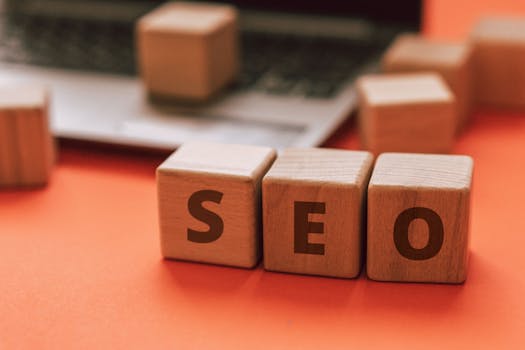 Photo: Atlantic Ambience / Pexels
 Photo: https://kaboompics.com/ / Pexels
 Photo: Nataliya Vaitkevich / Pexels