Ultimate ecommerce analytics tools comparison
ecommerce analytics tools comparison

Ultimate ecommerce analytics tools comparison

Unlock growth by understanding your customers and optimizing every aspect of your online business.

Find Your Tool

Key Takeaways

  • ✓ Ecommerce analytics tools are crucial for understanding customer behavior and sales performance.
  • ✓ Choosing the right tool depends on your store's size, platform, and specific data needs.
  • ✓ Key metrics include conversion rates, average order value, customer lifetime value, and traffic sources.
  • ✓ Advanced tools offer AI-driven insights, predictive analytics, and personalized recommendations.

How It Works

1
Data Collection

Tools integrate with your ecommerce platform (e.g., Shopify, Magento) and other marketing channels to gather raw data. This includes website traffic, sales transactions, customer interactions, and more.

2
Data Processing & Visualization

Raw data is cleaned, structured, and transformed into understandable metrics and reports. Dashboards and visualizations make complex data accessible, highlighting trends and anomalies.

3
Insight Generation

Analytics engines apply algorithms and statistical models to identify patterns, predict future outcomes, and uncover actionable insights. This helps you understand 'why' things are happening.

4
Actionable Strategies

Based on the insights, you can develop and implement data-driven strategies to improve marketing campaigns, optimize product offerings, enhance user experience, and boost overall sales.

Why Your Ecommerce Store Needs Robust Analytics
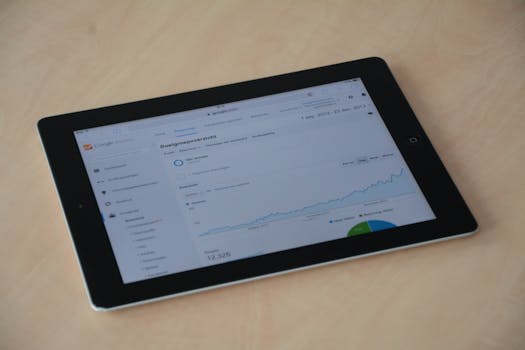
A digital tablet showing a web analytics dashboard with graphs and charts. Photo: weCare Media / Pexels
In today's hyper-competitive online marketplace, simply having an ecommerce store isn't enough. To thrive, you need to understand every facet of your business, from customer acquisition to post-purchase behavior. This is where robust ecommerce analytics tools become indispensable. They are the eyes and ears of your online operation, providing clarity on what's working, what's not, and where opportunities lie. Without proper analytics, you're essentially flying blind, making decisions based on intuition rather than data. Imagine launching a new product without knowing if your target audience is even visiting its page, or running an ad campaign without understanding its true return on investment. This lack of insight can lead to wasted resources, missed opportunities, and ultimately, stagnated growth. Ecommerce analytics tools provide a comprehensive view of your store's performance. They track key metrics such as website traffic, conversion rates, average order value (AOV), customer lifetime value (CLV), bounce rate, and product performance. By monitoring these indicators, you can identify trends, pinpoint areas for improvement, and make informed strategic decisions. For instance, if you notice a high bounce rate on specific product pages, it might indicate poor product descriptions, unappealing images, or confusing navigation. Conversely, a consistently high AOV might suggest successful upselling or cross-selling strategies that you can further optimize. These tools don't just present raw numbers; they often visualize data through intuitive dashboards, making it easier to digest complex information and share insights across your team. Furthermore, advanced analytics can help you understand customer behavior on a deeper level. You can track customer journeys, identify popular product combinations, segment your audience based on their purchasing habits, and even predict future buying patterns. This level of insight allows for highly personalized marketing campaigns, improved customer service, and more effective product development. For small businesses, affordable and accessible tools can democratize data, enabling them to compete with larger enterprises. For larger businesses, sophisticated platforms offer enterprise-grade solutions for complex data integration and advanced reporting. The right analytics tool is not just a reporting mechanism; it's a strategic partner that empowers you to continuously optimize your store for maximum profitability and customer satisfaction. Understanding your data is the first step towards creating a truly customer-centric and profitable online business. For more on optimizing your online presence, check out our guide on ecommerce SEO strategies. Choosing the right tool in an ecommerce analytics tools comparison can feel daunting, given the myriad options available. Each tool has its strengths, weaknesses, and specific use cases. Some are general-purpose web analytics platforms with strong ecommerce capabilities, while others are purpose-built for online stores, offering specialized features like inventory management integration or fraud detection. The crucial element is to align the tool's capabilities with your business goals and the specific questions you need answered. Are you primarily focused on improving conversion rates? Do you need to understand customer segmentation for targeted marketing? Is inventory optimization a key concern? Your answers to these questions will significantly narrow down your choices and help you find a solution that genuinely adds value to your operations.

Top Contenders in the Ecommerce Analytics Landscape

Person using a credit card for online shopping on a laptop surrounded by shipping boxes. Photo: Ivan S / Pexels
When delving into an ecommerce analytics tools comparison, several platforms consistently rise to the top, each offering a unique blend of features and catering to different business needs. Understanding their core functionalities is key to making an informed decision. Let's explore some of the leading contenders. **Google Analytics (GA4):** Often the starting point for many ecommerce businesses, Google Analytics (specifically GA4 for future-proofing) is a powerful, free web analytics service that tracks and reports website traffic. Its ecommerce capabilities allow you to monitor product performance, sales revenue, transactions, and conversion rates. GA4, with its event-based data model, offers a more unified view of user behavior across websites and apps, making it highly effective for understanding customer journeys. It integrates seamlessly with other Google products like Google Ads and Google Search Console, providing a holistic view of your digital marketing efforts. While incredibly powerful, GA4 can have a steep learning curve for beginners, and its interface can sometimes feel overwhelming due to the sheer volume of data and customization options. **Adobe Analytics:** For enterprise-level ecommerce operations, Adobe Analytics stands out. It's a highly robust and customizable solution that offers advanced segmentation, real-time data collection, and sophisticated attribution modeling. Adobe Analytics excels in handling large volumes of data, providing deep insights into complex customer journeys across multiple touchpoints. Its integration with the broader Adobe Experience Cloud allows for a truly unified customer experience management strategy. However, its premium features come with a significant price tag and require substantial technical expertise to implement and manage effectively, making it less suitable for small to medium-sized businesses. **Shopify Analytics:** For merchants on the Shopify platform, Shopify Analytics provides a built-in, user-friendly suite of reports. It offers essential metrics like sales over time, average order value, traffic sources, top products, and customer reports. While not as deep or customizable as Google Analytics or Adobe Analytics, it provides a convenient and accessible overview of your store's performance directly within your Shopify admin. For basic needs and quick insights, it's an excellent starting point, and its simplicity is a major advantage for those who don't need highly granular data or advanced segmentation. For more advanced needs, it can be supplemented with third-party apps or integrated with other analytics platforms. **Mixpanel:** Focused on product analytics and user behavior, Mixpanel is excellent for understanding how users interact with your products and features. While not exclusively an ecommerce tool, its event-based tracking is highly valuable for online stores looking to optimize their user experience, onboarding flows, and conversion funnels. Mixpanel allows for deep segmentation and cohort analysis, helping businesses identify critical user actions and drop-off points. It's particularly strong for mobile commerce and subscription-based ecommerce models. Its strength lies in answering 'how' and 'why' users perform certain actions, rather than just 'what' happened. **Kissmetrics:** Similar to Mixpanel, Kissmetrics emphasizes individual customer journeys and behavior tracking. It focuses on understanding customer lifetime value, churn rates, and how different customer segments interact with your store over time. Kissmetrics helps businesses connect marketing efforts directly to revenue, providing insights into which channels drive the most valuable customers. It's designed to help businesses optimize their conversion funnels and improve customer retention by providing a person-centric view of data, rather than just aggregate metrics. Its focus on customer journey mapping is a significant differentiator. Each of these tools brings a different perspective to ecommerce analytics, from broad website performance to deep individual user behavior. The best choice often involves considering your specific platform, budget, technical capabilities, and the depth of insight you require to drive your business forward. A comprehensive ecommerce analytics tools comparison will always highlight the necessity of aligning the tool to your unique operational context.

Key Metrics and Features to Prioritize in Your Evaluation
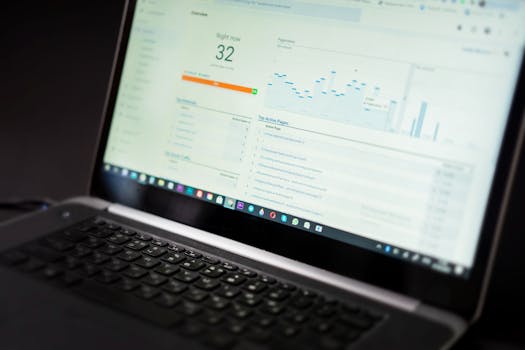
A laptop displaying an analytics dashboard with real-time data tracking and analysis tools. Photo: Atlantic Ambience / Pexels
When undertaking an ecommerce analytics tools comparison, it's critical to look beyond just the brand name and delve into the specific metrics and features that truly matter for your business. Not all tools are created equal, and what works for a small dropshipping store might be entirely inadequate for a large multi-brand retailer. Prioritizing features based on your strategic goals will ensure you invest in a solution that provides genuine value and actionable insights, rather than just overwhelming you with data. One of the most fundamental metrics is **Conversion Rate (CR)**. This tells you the percentage of website visitors who complete a desired action, typically a purchase. A good analytics tool will not only show you your overall conversion rate but also allow you to segment it by traffic source, device, product category, and even individual landing pages. Understanding these granular conversion rates is crucial for optimizing your marketing spend and user experience. Similarly, **Average Order Value (AOV)** is vital. This metric helps you understand how much customers spend per transaction. Tools that enable you to analyze AOV by customer segment or promotional activity can inform upselling and cross-selling strategies. **Customer Lifetime Value (CLV)** is arguably one of the most important long-term metrics for any ecommerce business. It estimates the total revenue a customer is expected to generate throughout their relationship with your store. Tools that can track and segment CLV allow you to identify your most valuable customers, tailor loyalty programs, and optimize customer acquisition costs. Related to this is **Customer Acquisition Cost (CAC)**, which measures how much it costs to acquire a new customer. Comparing CLV to CAC is essential for ensuring the profitability of your marketing efforts. An effective analytics tool will provide clear reporting on both these metrics. Beyond these core financial metrics, look for tools that offer robust **Traffic Source Analysis**. Knowing where your customers are coming from (organic search, paid ads, social media, email, direct traffic) helps you allocate your marketing budget more effectively. **Product Performance Reports** are also indispensable, detailing which products are selling best, which are stagnant, and which are frequently viewed but not purchased. This data can inform inventory management, pricing strategies, and product development. From a feature perspective, consider **Segmentation Capabilities**. The ability to segment your data by demographics, behavior, purchasing history, or traffic source allows for highly targeted analysis and personalized marketing campaigns. **Custom Reporting and Dashboards** are also crucial, enabling you to create tailored views of the data that are most relevant to your specific KPIs. Look for intuitive interfaces that make data exploration easy, even for non-technical users. Integration with other platforms, such as your CRM, email marketing software, and advertising platforms, is also a significant advantage, creating a unified data ecosystem. For more on CRM, explore our guide on CRM for ecommerce. Finally, consider **Real-time Reporting** for immediate insights, **Funnel Analysis** to identify drop-off points in the customer journey, and **User Behavior Tracking** (heatmaps, session recordings) for qualitative insights. The ideal tool will offer a balance of comprehensive data, actionable insights, and ease of use, all within your budget. Don't compromise on features that directly address your primary business challenges.

Common Mistakes to Avoid When Choosing and Using Analytics Tools

Yellow block letters spelling 'error' on a vibrant pink background, capturing a playful message. Photo: Ann H / Pexels
Navigating the world of ecommerce analytics can be complex, and it's easy to fall into common pitfalls that can undermine your efforts. Avoiding these mistakes is just as important as selecting the right tool during your ecommerce analytics tools comparison. **1. Over-reliance on Vanity Metrics:** A common mistake is focusing too much on metrics like total website traffic or social media likes without connecting them to actual business outcomes. While traffic is good, if it doesn't convert into sales, it's not truly valuable. Prioritize actionable metrics that directly impact revenue and profitability, such as conversion rate, AOV, and CLV. **2. Not Defining Clear KPIs:** Before you even select a tool, you must define what success looks like. What are your Key Performance Indicators (KPIs)? Without clear KPIs, you'll be collecting data aimlessly without a benchmark for evaluation. Your KPIs should be SMART: Specific, Measurable, Achievable, Relevant, and Time-bound. **3. Ignoring Data Quality:** Garbage in, garbage out. If your tracking implementation is incorrect or inconsistent, your data will be flawed, leading to inaccurate insights and poor decisions. Regularly audit your tracking setup, ensure all tags are firing correctly, and validate your data against other sources if possible. **4. Lack of Integration:** Many businesses use multiple tools (ecommerce platform, email marketing, CRM, advertising platforms). If your analytics tool doesn't integrate with these, you'll have fragmented data and a difficult time getting a holistic view of your customer journey. Look for tools with robust integration capabilities. **5. Analysis Paralysis:** Having too much data can be just as detrimental as having too little. Don't get bogged down in endless reports. Focus on identifying key trends, generating hypotheses, and testing them. The goal is to act on insights, not just accumulate data. **6. Not A/B Testing Your Hypotheses:** Analytics tools help you identify problems and opportunities, but they don't solve them. Once you have an insight (e.g., 'product page X has a low conversion rate'), you need to form a hypothesis (e.g., 'adding more images will improve conversion') and then A/B test it to validate your assumption and measure the impact. **7. Failing to Segment Your Data:** Looking at aggregate data can be misleading. Segmenting your data by customer type, traffic source, device, or geographic location can reveal vastly different insights and opportunities. What works for a first-time mobile visitor from Instagram might not work for a returning desktop user from an email campaign. **8. Forgetting About the Customer Journey:** Analytics should help you understand the entire customer journey, from awareness to purchase and retention. Don't just focus on the final conversion. Understand the touchpoints, drop-off points, and influences along the path to purchase. By being mindful of these common mistakes, you can maximize the value you derive from your ecommerce analytics tools and ensure your data-driven strategies lead to tangible growth.

Comparison

FeatureGoogle Analytics (GA4)Shopify AnalyticsAdobe AnalyticsMixpanelKissmetrics
CostFreeIncluded (Shopify plans)Premium EnterpriseTiered (Free to Premium)Tiered (Free to Premium)
Ease of UseMedium/HighHighLow (Complex)MediumMedium
Primary FocusWeb/App AnalyticsStore PerformanceEnterprise CXMProduct/User BehaviorCustomer Journey/LTV
CustomizationHighLow/MediumVery HighHighHigh
IntegrationExcellent (Google Eco)Good (Shopify Apps)Excellent (Adobe Eco)Good (APIs)Good (APIs)
Real-time Data
Customer SegmentationExcellentBasicExcellentExcellentExcellent
A/B Testing Integration✓ (via Google Optimize)✗ (via 3rd party apps)✓ (via 3rd party tools)✓ (via 3rd party tools)

What Readers Say

"After struggling to understand our customer's journey, we used an ecommerce analytics tools comparison and landed on Mixpanel. The insights into user behavior are phenomenal, helping us optimize our checkout flow and reduce cart abandonment significantly."

Sarah J. · Austin, TX

"As a small business owner, Shopify Analytics gives me exactly what I need without overwhelming me. It's incredibly user-friendly and provides quick insights into my sales and popular products, which was exactly what I was looking for in my ecommerce analytics tools comparison."

Mark D. · New York, NY

"Google Analytics 4 transformed how we view our multi-channel marketing. Our conversion rate increased by 15% in three months after using its cross-platform data to refine our campaigns, a direct result of a thorough ecommerce analytics tools comparison."

Emily R. · San Francisco, CA

"Adobe Analytics is incredibly powerful for our enterprise, but the setup and maintenance require a dedicated team. It provides unparalleled depth, but smaller businesses should definitely look at more accessible options first."

David L. · Chicago, IL

"Kissmetrics helped us finally understand our customer lifetime value and identify our most profitable segments. This changed our entire retention strategy and dramatically improved our ROI on marketing spend."

Jessica M. · Miami, FL

Frequently Asked Questions

What is the best ecommerce analytics tool for a small business?

For small businesses, Google Analytics (GA4) is an excellent free starting point, offering comprehensive web and ecommerce tracking. If you're on Shopify, Shopify Analytics provides convenient built-in reports. For more user-behavior focused insights, Mixpanel or Kissmetrics can be highly effective, often starting with free tiers or affordable plans.

Is Google Analytics 4 good for ecommerce tracking?

Yes, Google Analytics 4 (GA4) is exceptionally good for ecommerce tracking. Its event-based data model offers a more flexible and unified view of customer behavior across websites and apps, providing robust insights into product performance, transactions, and conversion funnels, which are crucial for any ecommerce analytics tools comparison.

How do I choose the right ecommerce analytics tool?

Choosing the right tool involves assessing your budget, technical expertise, the specific ecommerce platform you use, and critically, your business goals and key questions you need answered. Prioritize tools that offer the metrics and features most relevant to your strategic objectives, such as conversion rate optimization, customer lifetime value, or user behavior analysis.

What is the typical cost of ecommerce analytics tools?

The cost of ecommerce analytics tools varies widely. Basic tools like Google Analytics are free. Platform-specific analytics (e.g., Shopify Analytics) are often included in your subscription. Dedicated behavioral analytics tools like Mixpanel and Kissmetrics operate on tiered pricing, from free to several hundred dollars per month, based on data volume. Enterprise solutions like Adobe Analytics can cost thousands monthly.

How do ecommerce analytics tools compare to general web analytics?

While general web analytics tools (like Google Analytics) provide fundamental website performance data, ecommerce analytics tools offer specialized features tailored to online stores. This includes tracking specific ecommerce events (add-to-cart, purchases), product performance, sales funnels, and customer lifetime value, providing deeper insights into commercial operations. A solid ecommerce analytics tools comparison will highlight these distinctions.

Who should use ecommerce analytics tools?

Every ecommerce business, regardless of size, should use analytics tools. From solopreneurs needing basic sales data to large enterprises requiring complex customer journey mapping and predictive analytics, understanding your data is fundamental. Store owners, marketing managers, product developers, and customer service teams all benefit from these insights.

Are ecommerce analytics tools secure with customer data?

Reputable ecommerce analytics tools prioritize data security and privacy. They are typically compliant with regulations like GDPR and CCPA. However, it's crucial to review each tool's privacy policy and data handling practices. Ensure you are anonymizing data where appropriate and only collecting necessary information to protect customer privacy and maintain trust.

What are future trends in ecommerce analytics?

Future trends in ecommerce analytics include increased adoption of AI and machine learning for predictive analytics (e.g., predicting churn or next purchase), hyper-personalization powered by real-time data, voice commerce analytics, and deeper integration with augmented reality/virtual reality shopping experiences. The focus will be on even more actionable, automated insights.

Armed with this comprehensive ecommerce analytics tools comparison, you're ready to make an informed decision. Don't let valuable data go untapped; choose the right tool to unlock your store's full potential and drive sustainable growth. Start leveraging insights today to build a smarter, more profitable online business.

Topics: ecommerce analytics tools comparisonecommerce data analysisonline store metricsconversion rate optimization toolssales tracking software
Leo List
Brampton weed
Adultwork