Unlocking Sales: Best Payment Gateways for Ecommerce
best payment gateways for ecommerce

Unlocking Sales: Best Payment Gateways for Ecommerce

Securely process transactions, reduce cart abandonment, and grow your online business with the right payment gateway.

Find Your Perfect Gateway

Key Takeaways

  • ✓ Payment gateways are crucial for secure and efficient online transactions.
  • ✓ Choosing the right gateway impacts conversion rates and customer trust.
  • ✓ Factors like fees, features, and integration options vary significantly.
  • ✓ Many gateways offer fraud protection and multi-currency support.

How It Works

1
Customer Initiates Purchase

A customer adds items to their cart and proceeds to checkout on your ecommerce website. They select their preferred payment method.

2
Data Encryption & Transmission

The payment gateway encrypts sensitive card details and securely transmits them to the acquiring bank and payment network for authorization.

3
Transaction Authorization

The payment network communicates with the issuing bank to verify funds and card validity. An approval or denial message is sent back.

4
Confirmation & Settlement

The gateway relays the authorization status to your ecommerce platform. If approved, funds are settled into your merchant account, and the customer receives confirmation.

Understanding Online Payment Processing for Your Business

Person holding a credit card while shopping online on a laptop, indicating ecommerce transactions. Photo: Negative Space / Pexels
In the bustling world of online retail, a seamless and secure payment process is not just a convenience—it's a cornerstone of success. For any ecommerce business, especially those operating in the US, selecting the best payment gateways for ecommerce is paramount. It directly impacts everything from customer trust and conversion rates to operational efficiency and financial security. A payment gateway acts as a digital bridge, connecting your customer's bank account or credit card to your merchant account, facilitating the secure transfer of funds. Without it, your online store simply cannot process payments. The landscape of online payment processing is vast and can often seem intimidating. There are numerous providers, each with its own set of features, fee structures, and integration capabilities. The 'best' gateway isn't a one-size-fits-all solution; it depends heavily on your specific business needs, sales volume, target audience, and the type of products or services you offer. For instance, a small startup selling handmade goods might prioritize ease of setup and low transaction fees, while a large enterprise with global aspirations will focus on multi-currency support, advanced fraud protection, and robust API integrations. Understanding the fundamental components of online payment processing—merchant accounts, payment processors, and payment gateways—is the first step towards making an informed decision. While often used interchangeably, these terms represent distinct parts of the transaction ecosystem. A merchant account is a type of bank account that allows businesses to accept credit card payments. A payment processor handles the actual transaction data, ensuring it moves securely between parties. The payment gateway is the software that authorizes credit card payments for online businesses, acting as the secure conduit. Security is non-negotiable. With cyber threats constantly evolving, ensuring that your chosen payment gateway adheres to the highest industry standards, such as PCI DSS compliance, is critical. This protects not only your business from potential fraud but also instills confidence in your customers that their sensitive financial information is safe. Beyond security, consider the user experience. A clunky, redirect-heavy checkout process can lead to high cart abandonment rates. The ideal gateway offers a smooth, integrated experience that keeps customers on your site, minimizing friction and maximizing conversions. This might involve features like one-click checkout, saved payment methods, and mobile-friendliness. As you delve deeper into finding the best payment gateways for ecommerce, remember that this decision will significantly influence your business's ability to grow and thrive in a competitive digital marketplace. It's an investment in your future, not just a necessary expense. For a broader understanding of how these components fit into your overall online strategy, explore more about effective ecommerce strategies.

Key Factors to Consider When Choosing a Payment Gateway

Person using a credit card for online shopping on a laptop surrounded by shipping boxes. Photo: Ivan S / Pexels
Selecting the best payment gateways for ecommerce requires a thorough evaluation of several critical factors that directly impact your business operations and profitability. Ignoring these can lead to unexpected costs, operational headaches, or even lost sales. The first and often most scrutinized factor is pricing. Payment gateway fees can be complex, often involving a combination of per-transaction fees, monthly fees, setup fees, chargeback fees, and currency conversion fees. Some gateways offer flat-rate pricing, which can be simpler for businesses with predictable sales volumes, while others use interchange-plus pricing, which can be more cost-effective for high-volume merchants. It's crucial to obtain a detailed breakdown of all potential costs and understand how they apply to your specific transaction patterns. Don't just look at the advertised percentage; calculate the total cost based on your projected sales volume and average transaction value. Next, consider the integration capabilities. Your chosen payment gateway must seamlessly integrate with your existing ecommerce platform (e.g., Shopify, WooCommerce, Magento) and other business tools like accounting software or CRM systems. A robust API can offer greater flexibility for custom integrations, while pre-built plugins can simplify setup for popular platforms. The ease of integration directly influences how quickly you can get up and running and how much technical expertise will be required. A complex integration can lead to delays and increased development costs. Beyond integration, assess the range of payment methods supported. In the US market, credit and debit cards (Visa, Mastercard, American Express, Discover) are standard, but offering alternative payment methods like PayPal, Apple Pay, Google Pay, and even 'Buy Now, Pay Later' (BNPL) options can significantly broaden your customer base and improve conversion rates. Customers appreciate choice and convenience, and a gateway that supports their preferred method can reduce cart abandonment. Fraud prevention and security features are paramount. Look for gateways that offer advanced fraud detection tools, such as AVS (Address Verification Service), CVV verification, 3D Secure, and machine learning algorithms to identify suspicious transactions. Robust security protocols protect both your business and your customers from financial losses and reputational damage. Remember, PCI DSS compliance is a must-have, not a nice-to-have. Finally, evaluate customer support and reliability. When a payment issue arises, you need prompt and effective assistance. Investigate the gateway's customer service channels (phone, email, chat), their hours of operation, and their reputation for responsiveness. A reliable gateway also means minimal downtime, ensuring your store can process payments 24/7 without interruption. Each of these factors plays a vital role in determining the overall value and suitability of a payment gateway for your unique ecommerce venture, making the selection process a strategic decision rather than a simple choice.

Top Contenders: Best Payment Gateways for Ecommerce in the US
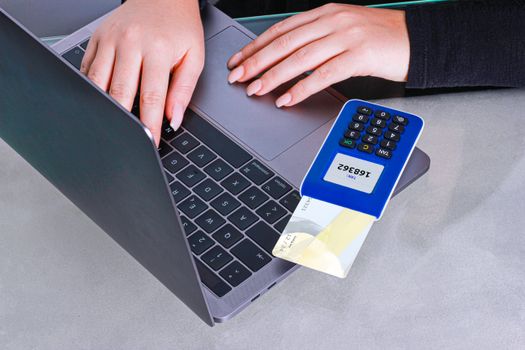
Person making an online payment using a laptop and card reader. Photo: REINER SCT / Pexels
Navigating the options for the best payment gateways for ecommerce in the US market reveals a few dominant players, each with distinct strengths tailored to different business needs. Understanding these leaders will help you narrow down your choices. **Stripe** stands out for its developer-friendly approach and extensive customization options. It's renowned for its powerful API, allowing businesses to integrate payment processing deeply into their applications and websites. Stripe supports a vast array of payment methods, including major credit cards, digital wallets like Apple Pay and Google Pay, and even international payment options, making it excellent for businesses with global aspirations. Its transparent, pay-as-you-go pricing model (typically 2.9% + 30¢ per successful card charge) is attractive to many, though high-volume merchants can negotiate custom rates. Stripe also offers robust fraud prevention tools (Radar) and comprehensive reporting, making it a favorite among tech-savvy startups and rapidly scaling businesses that value flexibility and control over their checkout experience. Its global reach and constant innovation in payment technology keep it at the forefront. **PayPal**, specifically PayPal Commerce Platform, remains a household name and a go-to for many ecommerce businesses, particularly those targeting a broad consumer base. Its ubiquity means many customers already have a PayPal account, simplifying the checkout process and often increasing conversion rates. PayPal offers various solutions, from simple 'Buy Now' buttons to full-fledged checkout experiences. Its fees are competitive, generally starting around 2.99% + fixed fee for standard online transactions, with potential reductions for higher volumes. Beyond its brand recognition, PayPal provides seller protection, dispute resolution services, and supports numerous currencies. It's particularly strong for businesses that value ease of use, broad customer acceptance, and a trusted brand name, even if its customization options aren't as extensive as Stripe's. Many small to medium-sized businesses find PayPal's comprehensive suite of tools and strong brand loyalty invaluable for their online operations. **Square** initially gained traction with its point-of-sale (POS) systems but has rapidly expanded its ecommerce offerings. Square Online provides an integrated platform where businesses can build a website, manage inventory, and process payments all under one roof. For businesses that operate both online and in-person, Square offers seamless synchronization, making it incredibly convenient. Their pricing is straightforward, typically 2.9% + 30¢ per online transaction, and they offer competitive rates for in-person sales. Square is particularly appealing to small businesses and those new to ecommerce due to its user-friendly interface and bundled services. It's an excellent choice for businesses looking for an all-in-one solution that covers both their physical and digital storefronts, simplifying management and reducing the need for multiple vendors. Other notable contenders include **Authorize.Net**, known for its reliability and long-standing presence, often favored by larger enterprises requiring advanced features and robust security, and **Braintree** (a PayPal service), which is popular for mobile and app-based payments, offering significant flexibility for custom integrations. Each of these platforms, while offering core payment processing, brings unique advantages to the table, making the choice dependent on your specific business model and strategic goals. For more insights into building a successful online store, consider reading about optimizing your ecommerce platform.

Common Mistakes and Best Practices for Payment Gateway Selection

Cashless transaction using a contactless payment terminal with shopping bag. Photo: www.kaboompics.com / Pexels
Choosing the best payment gateways for ecommerce is a critical decision, and avoiding common pitfalls can save your business significant time and money. One prevalent mistake is focusing solely on the lowest transaction fee. While cost is important, a slightly higher fee might come with superior fraud protection, better customer support, or more advanced features that ultimately save you more in the long run by preventing chargebacks or improving conversion rates. Another error is neglecting scalability. A gateway that works perfectly for a startup with a few transactions per day might buckle under the pressure of rapid growth. Ensure your chosen solution can handle increased transaction volumes, new payment methods, and international expansion without requiring a complete overhaul. Underestimating the importance of security is another grave mistake. Data breaches can devastate a business's reputation and lead to hefty fines. Always verify that your gateway is PCI DSS compliant and offers robust fraud detection tools. Don't assume all gateways are equally secure. Lastly, many businesses fail to test the checkout flow thoroughly. A clunky, slow, or confusing checkout process is a leading cause of cart abandonment. Put yourself in your customer's shoes and test every step on different devices and browsers. **Best Practices for a Smooth Payment Gateway Experience:** * **Read the Fine Print:** Understand all fees—transaction fees, monthly fees, setup fees, chargeback fees, and any hidden costs. Negotiate if your volume allows. * **Prioritize Security:** Opt for PCI DSS compliant gateways with strong fraud prevention tools like AVS, CVV, and 3D Secure. * **Seamless Integration:** Choose a gateway that integrates effortlessly with your ecommerce platform and other business tools. Look for comprehensive documentation and API support. * **Diverse Payment Options:** Offer a variety of payment methods, including major credit cards, digital wallets, and popular local options, to cater to a wider audience. * **Mobile Optimization:** Ensure the checkout process is fully responsive and optimized for mobile devices, as a significant portion of online sales occurs on smartphones. * **Excellent Customer Support:** Verify the gateway offers reliable, responsive customer support in case of technical issues or payment discrepancies. * **Understand Payout Schedules:** Be aware of how long it takes for funds to settle in your bank account, as this impacts your cash flow. * **Monitor Performance:** Regularly review transaction data, conversion rates, and abandonment rates to identify areas for improvement and ensure your gateway is performing optimally.

Comparison

FeatureStripePayPal Commerce PlatformSquare Online
Typical Transaction Fee2.9% + 30¢2.99% + fixed fee2.9% + 30¢
Setup FeesNoneNoneNone
Monthly FeesNoneNoneNone
Integration TypeAPI/PluginsPlugins/APIIntegrated Platform
Fraud ProtectionAdvanced (Radar)Standard + Seller ProtectionStandard
Global Reach✗ (Primarily US/Canada/UK/Aus)
Developer Friendly✗ (Less emphasis)
In-Person POS Sync✗ (Via integrations)✗ (Via integrations)

What Readers Say

"Switching to Stripe was the best decision for my small business. The API made integration with my custom store a breeze, and their fraud detection has saved me from several suspicious transactions. It's truly one of the best payment gateways for ecommerce."

Sarah Chen · Austin, TX

"PayPal Commerce Platform has been fantastic for my online boutique. So many customers already have PayPal accounts, which speeds up checkout. The seller protection gives me peace of mind, and it's super reliable for processing payments."

Mark Johnson · Miami, FL

"We've seen a 15% reduction in cart abandonment since we optimized our payment gateway. The choice of payment methods offered by our new provider, coupled with a smooth checkout flow, has significantly boosted our conversion rates."

Emily Rodriguez · Denver, CO

"Square Online's integrated approach is great for my cafe that also sells merchandise online. The POS and online store sync seamlessly, which simplifies inventory management. I wish their international options were more robust, but for the US, it's solid."

David Lee · Seattle, WA

"As a developer, I appreciate the flexibility and documentation Stripe provides. It allows for truly customized payment experiences, which is crucial for our unique subscription service. It's definitely among the best payment gateways for ecommerce for anyone serious about custom solutions."

Jessica Kim · Chicago, IL

Frequently Asked Questions

What is the primary difference between a payment gateway and a payment processor?

A payment gateway is the technology that securely authorizes credit card payments online, encrypting data and sending it to the processor. A payment processor is the company that handles the transaction, moving funds between banks and managing the backend settlement process. They often work together or are offered as a combined service.

Are payment gateways secure for my customer's data?

Yes, reputable payment gateways are designed with robust security features. They use advanced encryption, tokenization, and adhere to strict industry standards like PCI DSS (Payment Card Industry Data Security Standard) to protect sensitive cardholder data from fraud and breaches.

How do I integrate a payment gateway into my existing ecommerce store?

Integration typically involves installing a plugin or extension for popular platforms like Shopify or WooCommerce, or using the gateway's API for custom-built stores. Most gateways provide detailed documentation and developer resources to guide you through the process, often with step-by-step instructions.

What are the typical costs associated with using a payment gateway?

Costs usually include a per-transaction fee (a percentage plus a fixed amount, e.g., 2.9% + $0.30), and sometimes monthly fees, setup fees, or chargeback fees. Some gateways offer volume discounts. It's crucial to get a full fee schedule to understand your total costs based on your projected sales.

Should I choose a gateway that offers 'Buy Now, Pay Later' (BNPL) options?

Offering BNPL options like Affirm or Afterpay through your gateway can significantly boost conversion rates and average order value, especially for higher-priced items. Many customers appreciate the flexibility to pay in installments, so if your target audience values this, it's a strong consideration.

Who should prioritize a highly customizable payment gateway?

Businesses with unique checkout flows, subscription models, or those needing deep integration with their custom software should prioritize a highly customizable gateway with a robust API, like Stripe. This allows for tailored experiences that can improve user experience and differentiate your brand.

What happens if a customer disputes a charge (chargeback)?

When a customer disputes a charge, the payment gateway typically facilitates the chargeback process. This involves you providing evidence to your bank to dispute the customer's claim. Gateways often charge a fee for handling chargebacks, regardless of the outcome, emphasizing the importance of strong fraud prevention.

What future trends should I consider when selecting a payment gateway?

Consider gateways that are actively investing in new technologies like cryptocurrency support, biometric authentication, and open banking integrations. A forward-thinking gateway will ensure your business remains competitive and adaptable to evolving consumer payment preferences and security standards.

Choosing the best payment gateways for ecommerce is a strategic decision that underpins your online store's success. By carefully evaluating factors like fees, security, integration, and customer support, you can select a partner that not only processes transactions but also empowers your business to thrive. Take the next step to secure your sales and streamline your operations today.

Topics: best payment gateways for ecommerceonline payment processingecommerce solutionspayment processing USsecure online payments
Leo List
Brampton weed
Adultwork