
Best 1v1 Chat Apps Compared: Boost Your eCommerce Sales
best 1v1 chat apps compared

Best 1v1 Chat Apps Compared: Boost Your eCommerce Sales

Unlock personalized customer engagement and drive conversions with the top 1v1 chat apps designed for modern eCommerce businesses.

Find Your Perfect Chat App

Key Takeaways

  • ✓ 90% of customers rate an immediate response as very important for customer service.
  • ✓ Businesses using live chat see a 3.5x higher conversion rate.
  • ✓ Personalized 1v1 chat can increase average order value by up to 20%.
  • ✓ Integrating chat apps with CRM and eCommerce platforms is crucial for efficiency.

How It Works

1
Select Your Ideal App

Research and choose a 1v1 chat app that aligns with your eCommerce platform, budget, and specific customer engagement needs. Consider features like AI assistance and CRM integration.

2
Integrate with Your Store

Follow the app's instructions to seamlessly embed the chat widget onto your eCommerce website. This typically involves copying and pasting a small code snippet into your site's header or footer.

3
Train Your Team

Equip your customer service or sales team with the knowledge and best practices for using the new chat platform effectively. Develop canned responses and escalation protocols for common queries.

4
Engage & Convert

Start interacting with your customers in real-time, providing personalized support, answering product questions, and guiding them through the purchase journey. Monitor analytics to optimize performance.

Why Personalized Customer Communication is Key for eCommerce Growth

A call center agent wearing glasses and a headset, working in an office. Photo: MART PRODUCTION / Pexels
In today's competitive eCommerce landscape, generic customer service is no longer sufficient. Consumers expect and demand personalized interactions that address their specific needs and concerns in real-time. This is where 1v1 chat apps become an indispensable tool for online businesses. Unlike static FAQs or delayed email responses, a direct, one-on-one chat allows for immediate problem-solving, tailored product recommendations, and a more human connection between your brand and your customer. This personal touch is not just about resolving issues; it's about building trust, fostering loyalty, and ultimately, driving sales. When a customer feels heard and understood, their likelihood of making a purchase increases significantly. Furthermore, personalized communication extends beyond reactive support; it enables proactive engagement, such as reaching out to a customer browsing a specific product page or offering assistance during checkout. This proactive approach can effectively reduce cart abandonment rates, which remains a significant challenge for many online retailers. The data gathered from these individual chat conversations also provides invaluable insights into customer behavior, pain points, and preferences. By analyzing chat transcripts, businesses can identify common questions, optimize product descriptions, improve website navigation, and even inform future product development. This feedback loop is a powerful mechanism for continuous improvement and staying ahead of customer expectations. Moreover, the immediacy of 1v1 chat caters to the modern consumer's desire for instant gratification. In an era where information is at our fingertips, waiting hours or even days for an email response can lead to frustration and a lost sale. A well-implemented chat solution ensures that customers receive quick, accurate answers when they need them most, enhancing their overall shopping experience and reinforcing a positive brand image. For ecommerce businesses, the ability to engage customers directly on their terms, through a channel they prefer, translates into higher conversion rates, increased customer lifetime value, and a stronger competitive advantage. It transforms a transactional interaction into a relationship-building opportunity, paving the way for sustained growth and success in the digital marketplace. The evolution of chat technology also means these tools are more sophisticated than ever, offering features like AI-powered chatbots for initial screening, seamless handover to human agents, and integration with CRM systems to provide agents with a comprehensive view of the customer's history. This blend of automation and human expertise ensures efficiency without sacrificing the personal touch that is so vital for customer satisfaction and retention.

Top 1v1 Chat Apps for Enhanced Customer Engagement

A woman types on a laptop using a messaging app in a modern office setting. Photo: Mikhail Nilov / Pexels
Choosing the right 1v1 chat app is a critical decision for any eCommerce business looking to optimize its customer engagement strategy. Several platforms stand out for their robust features, ease of integration, and proven track record in enhancing customer satisfaction and driving sales. Each offers a unique blend of capabilities, making it essential to evaluate them against your specific business needs and existing tech stack. **Zendesk Chat:** A heavyweight in the customer service arena, Zendesk Chat (formerly Zopim) offers a comprehensive suite of features. Its strength lies in its scalability, making it suitable for businesses of all sizes, from small startups to large enterprises. Key features include pre-chat forms, chat routing, agent-to-agent chat, and real-time visitor analytics. Zendesk's integration capabilities are extensive, connecting seamlessly with its broader CRM platform, help desk software, and various third-party applications. This allows for a unified view of customer interactions across multiple channels, enabling agents to provide highly personalized and efficient support. The ability to monitor visitor behavior on your site and proactively initiate chats can significantly impact conversion rates. Its robust reporting and analytics tools provide deep insights into agent performance and customer satisfaction, allowing for continuous optimization of your support strategy. While it offers a free tier, its full potential is unlocked with its paid plans, which can be a significant investment for smaller businesses. **LiveChat:** As its name suggests, LiveChat is dedicated to providing an excellent live chat experience. It's known for its intuitive interface, making it easy for both agents and customers to use. Features like canned responses, chat tags, file sharing, and chat transcripts are standard. LiveChat particularly excels in its proactive chat capabilities, allowing businesses to engage visitors based on specific triggers (e.g., time spent on a page, specific URL visited). It boasts a wide array of integrations with popular eCommerce platforms like Shopify, Magento, and WooCommerce, as well as CRM and email marketing tools. This seamless integration ensures that customer data flows smoothly between systems, enriching customer profiles and empowering agents with context. Its reporting features are also quite strong, offering insights into chat volume, agent efficiency, and customer satisfaction scores. The pricing structure is tiered, offering flexibility for growing businesses, and a free trial is usually available to test its features. Many users praise its reliability and the speed at which it allows them to resolve customer queries, directly impacting customer retention. **Intercom:** Intercom positions itself as a customer messaging platform that goes beyond simple chat, aiming to build better customer relationships throughout the entire lifecycle. It combines live chat, targeted messaging, and a help desk, making it a powerful tool for sales, marketing, and support teams. Its 'Operator' bot can qualify leads, answer common questions, and route conversations, freeing up human agents for more complex issues. Intercom's strength lies in its ability to segment customers and send highly personalized messages based on their behavior, demographics, and past interactions. This proactive engagement can be used for onboarding, feature announcements, and re-engagement campaigns, not just reactive support. It integrates deeply with many business tools, including CRM, analytics, and marketing automation platforms. While incredibly powerful, Intercom's comprehensive feature set and pricing model mean it's often best suited for mid-sized to large eCommerce businesses with a robust customer engagement strategy. Its focus on the entire customer journey makes it a unique offering in the 1v1 chat app space, extending its utility far beyond just immediate support queries.

Our partners at monkey-app.net offer related services.

Optimizing Your 1v1 Chat Strategy for Maximum ROI
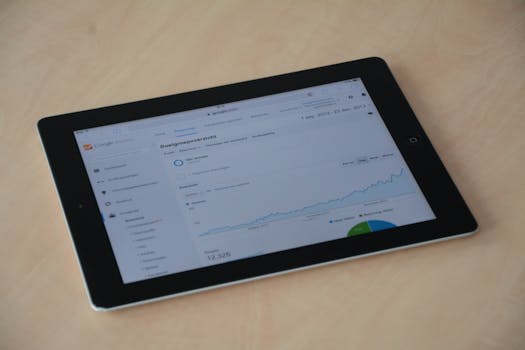
A digital tablet showing a web analytics dashboard with graphs and charts. Photo: weCare Media / Pexels
Implementing a 1v1 chat app is only the first step; optimizing its use is crucial for achieving maximum return on investment (ROI) for your eCommerce business. A well-executed chat strategy can transform a simple support channel into a powerful sales and retention engine. One of the most important aspects is agent training. Your customer service representatives should be proficient not just in using the chat software, but also in effective communication techniques. This includes maintaining a friendly and professional tone, typing quickly and accurately, and understanding when to escalate a conversation or offer a personalized recommendation. Training should also cover product knowledge extensively, ensuring agents can answer detailed questions and guide customers through the purchasing process with confidence. Another key optimization area is the strategic deployment of proactive chat. Instead of waiting for customers to initiate contact, leverage your chat app's capabilities to engage visitors at critical points in their journey. For example, if a customer spends an extended period on a product page, a proactive message offering assistance or a special discount could be the nudge they need to convert. Similarly, a chat invitation during the checkout process can help alleviate last-minute concerns about shipping, payment, or returns, significantly reducing cart abandonment. The timing and messaging of these proactive chats are paramount; they should feel helpful, not intrusive. A/B testing different proactive chat triggers and messages can help you fine-tune this strategy for optimal engagement and conversion rates. Integration with your existing ecommerce platform and CRM system is also vital for maximizing ROI. When your chat app is seamlessly connected, agents have immediate access to customer history, order details, and browsing behavior. This eliminates the need for customers to repeat information and empowers agents to provide highly personalized support and recommendations. For instance, if a customer is chatting about a specific product, the agent can instantly see if they've viewed similar items or have past orders relevant to their query. This holistic view enhances the customer experience and boosts agent efficiency. Furthermore, leveraging AI-powered chatbots for initial screening and frequently asked questions (FAQs) can significantly reduce the workload on human agents. Bots can handle simple queries, collect customer information, and route complex issues to the appropriate human agent, ensuring that customers get faster responses and agents can focus on high-value interactions. Regular analysis of chat analytics – including response times, resolution rates, customer satisfaction scores, and conversion rates directly attributed to chat – is essential. These metrics provide actionable insights into what's working well and where improvements are needed, allowing you to continuously refine your chat strategy and ensure it aligns with your overall business objectives. By focusing on agent proficiency, strategic proactive engagement, robust integrations, and data-driven optimization, your 1v1 chat app can become a cornerstone of your eCommerce success.

Common Mistakes to Avoid When Implementing 1v1 Chat in eCommerce

While 1v1 chat apps offer immense potential for eCommerce businesses, several common pitfalls can hinder their effectiveness. Avoiding these mistakes is crucial for a successful implementation and maximizing your investment. **1. Understaffing Your Chat Support:** One of the most frequent errors is not having enough agents available to handle chat volume, especially during peak hours. Long wait times or unanswered chats lead to frustrated customers and a negative perception of your brand. Ensure you have adequate staffing and consider utilizing chatbots for initial screening to manage demand effectively. **2. Lack of Agent Training:** Simply installing a chat app isn't enough. Agents need comprehensive training on product knowledge, customer service best practices, and the specific features of the chat platform. They should also be trained on how to identify sales opportunities during a chat and how to upsell or cross-sell appropriately without being pushy. **3. Ignoring Chat Analytics:** Many businesses implement chat but fail to regularly review the data it generates. Chat analytics provide invaluable insights into customer pain points, common questions, agent performance, and even potential product improvements. Ignoring this data means missing opportunities to optimize your service and sales strategy. **4. Over-reliance on Chatbots Without Human Handover:** While chatbots are excellent for efficiency, they cannot replace human interaction entirely. A common mistake is not providing a clear and easy path for customers to escalate from a bot to a human agent when their query becomes too complex or nuanced. This can lead to customer frustration and abandonment. **5. Poor Integration with Other Systems:** If your chat app doesn't integrate well with your CRM, order management system, or knowledge base, agents will lack context. This results in customers having to repeat information, leading to a disjointed and inefficient experience. Prioritize apps with strong integration capabilities. **6. Inconsistent Branding and Tone:** Ensure that the language and tone used in your chat interactions align with your overall brand voice. Inconsistent messaging can confuse customers and dilute your brand identity. Develop guidelines for agents to maintain a consistent tone, whether it's formal, friendly, or witty. **7. Neglecting Mobile Responsiveness:** A significant portion of online shopping happens on mobile devices. If your chat widget isn't responsive and easy to use on smartphones and tablets, you're alienating a large segment of your customer base. Test the chat experience thoroughly across various devices. By proactively addressing these potential issues, eCommerce businesses can ensure their 1v1 chat implementation is a powerful asset, fostering customer satisfaction and driving sustainable growth.

Comparison

FeatureZendesk Chat (Best Overall)LiveChat (Best for Ease of Use)Intercom (Best for Lifecycle Engagement)
AI Chatbot Capabilities✓ (via Answer Bot)✓ (via AI Assistant)✓ (via Operator)
Proactive Chat TriggersAdvancedRobustHighly Customizable
CRM IntegrationNative & ExtensiveGoodNative & Extensive
Targeted MessagingHighly Advanced
Help Desk IntegrationNativeGoodNative
Pricing (Entry Level)Starts at $59/month/agentStarts at $20/month/agentStarts at $74/month (platform fee)
Visitor AnalyticsDetailedGoodComprehensive
Mobile App for Agents

What Readers Say

"Since implementing Zendesk Chat, our customer satisfaction scores have skyrocketed. The ability to see what customers are browsing in real-time has allowed us to offer incredibly relevant assistance, leading to a noticeable increase in conversions for our online boutique."

Sarah J. · Austin, TX

"LiveChat transformed our customer support. It's so intuitive, our team picked it up in no time, and customers love the instant replies. We've seen a significant reduction in support emails and a happier customer base."

Mark T. · Miami, FL

"Intercom has been a game-changer for our SaaS eCommerce business. Beyond just support, its targeted messaging features let us onboard new users, announce features, and re-engage dormant customers, directly impacting our customer retention rates and MRR."

Jessica L. · Seattle, WA

"We've been using Zendesk Chat for our electronics store. While it's powerful and offers great analytics, the initial setup and customization took a bit more effort than expected. However, the long-term benefits in efficiency and customer service are undeniable."

David R. · Chicago, IL

"As a small business owner selling handmade goods, LiveChat has allowed me to provide a personal touch that sets me apart. I can answer questions quickly even from my phone, making customers feel valued and confident in their purchases."

Emily P. · Denver, CO

Frequently Asked Questions

What are the core benefits of using a 1v1 chat app for eCommerce?

The core benefits include improved customer satisfaction due to instant support, increased conversion rates through proactive engagement and personalized recommendations, reduced cart abandonment, and valuable insights into customer behavior. It fosters trust and loyalty, directly impacting your bottom line.

Are 1v1 chat apps secure for handling customer data?

Reputable 1v1 chat apps prioritize security and compliance, often featuring end-to-end encryption, GDPR compliance, and robust data protection measures. Always choose providers that clearly outline their security protocols and adhere to industry standards to safeguard customer information.

How do I integrate a 1v1 chat app with my existing eCommerce store?

Most 1v1 chat apps offer straightforward integration methods. This typically involves installing a plugin or extension for platforms like Shopify or WooCommerce, or by embedding a small JavaScript code snippet directly into your website's HTML. Detailed instructions are usually provided by the app vendor.

What is the typical cost of a 1v1 chat app for an eCommerce business?

The cost varies significantly based on features, number of agents, and chat volume. Many offer free basic plans, while paid tiers can range from $20 to over $100 per agent per month for more advanced features, integrations, and automation. Enterprise solutions can be customized and more expensive.

How do 1v1 chat apps compare to email or phone support?

1v1 chat apps offer immediate, real-time interaction, unlike email which has delays, and are often more convenient and less intrusive than phone calls. They allow for multitasking for agents and customers, and provide written transcripts for future reference, making them highly efficient and preferred by many modern consumers.

Who should use 1v1 chat apps in an eCommerce setting?

Any eCommerce business looking to enhance customer service, boost sales, and gain deeper insights into customer behavior should consider a 1v1 chat app. It's particularly beneficial for businesses with complex products, high traffic volumes, or a strong focus on personalized customer experiences.

Can chatbots fully replace human agents in a 1v1 chat?

No, chatbots cannot fully replace human agents. While excellent for handling routine queries, qualifying leads, and providing instant answers to FAQs, complex issues, nuanced problems, or situations requiring empathy and creative problem-solving still necessitate human intervention. The best approach is a hybrid model.

What are the future trends for 1v1 chat apps in eCommerce?

Future trends include deeper integration with AI for predictive analytics and hyper-personalization, voice-to-text chat capabilities, integration with AR/VR for immersive shopping assistance, and expanded omnichannel support that seamlessly blends chat with social media and other communication channels.

Ready to transform your customer engagement and boost your eCommerce sales? Explore the best 1v1 chat apps compared in this guide and choose the perfect solution to connect with your customers on a deeper, more personal level. Start your journey to exceptional customer service and unparalleled growth today!

Topics: best 1v1 chat apps comparedecommerce chat solutionscustomer support chatlive chat for online storespersonalized customer communication
Leo List
Brampton weed
Adultwork