✓ Global e-commerce sales are projected to reach over $7 trillion by 2025.
✓ Small businesses selling online report 10-20% higher revenue growth.
✓ Online stores have significantly lower startup and operational costs than physical retail.
✓ Customers value convenience, with 70% preferring to shop online.
How It Works
1
Choose Your Platform
Select an e-commerce platform like Shopify, Etsy, or your own website. Consider ease of use, features, and cost.
2
List Your Products
Create compelling product descriptions, high-quality images, and set competitive pricing. Optimize for search.
3
Set Up Payments & Shipping
Integrate secure payment gateways and establish clear shipping policies. Offer various options for customer convenience.
4
Market Your Store
Drive traffic through social media, SEO, paid ads, and email marketing. Engage with your audience to build loyalty.
Unrestricted Market Access and Global Reach
Photo: Negative Space / Pexels
One of the most compelling advantages of selling online is the immediate and virtually limitless market access it provides. Unlike a brick-and-mortar store, which is inherently confined by its physical location and local demographics, an online business transcends geographical boundaries. Imagine opening a storefront in a small town; your customer base is restricted to those who live within driving distance or happen to be passing through. Now, envision that same storefront existing on the internet. Suddenly, your potential customers are not just in your town, state, or even country, but potentially across the entire globe. This expansion of reach is not merely theoretical; it translates directly into a significantly larger pool of potential buyers for your products or services.
This global reach isn't just about sheer numbers; it's also about niche markets. Many businesses cater to very specific interests or demographics that might be too small to sustain a physical store in any single location. However, by aggregating these niche customers from around the world, an online business can thrive. For example, a store specializing in vintage typewriter parts or handmade ethical pet accessories might struggle to find enough local customers. Online, they can connect with enthusiasts from every continent, turning a niche into a viable and profitable venture. This ability to tap into diverse demographics and specialized interests is a game-changer for many entrepreneurs, allowing them to build businesses around passions that would otherwise be impractical.
Furthermore, the internet never sleeps, and neither does an online store. Your digital storefront is open 24 hours a day, 7 days a week, 365 days a year. This constant availability means customers can browse and make purchases at their convenience, regardless of time zones or traditional business hours. For consumers, this offers unparalleled flexibility, allowing them to shop when it suits their schedule – whether it's late at night, early in the morning, or during a lunch break. For businesses, it means continuous sales opportunities, even when you're not actively working. This always-on nature significantly increases the potential for sales and revenue, capturing transactions that would otherwise be lost if your physical store were closed. It’s a fundamental shift from the limitations of a physical retail model, empowering businesses to maximize every potential sale opportunity. This round-the-clock operation also caters to impulsive buying decisions, where a customer might see an item and want to purchase it immediately, without having to wait for store opening hours. The convenience factor for the customer is immense, directly contributing to higher conversion rates and customer satisfaction. The sheer volume of transactions possible through this extended availability is a core benefit that cannot be overstated for any aspiring or existing business owner considering the digital realm.
Significant Reduction in Operational Costs and Overhead
Photo: Tima Miroshnichenko / Pexels
Transitioning or starting a business online offers substantial financial advantages, primarily through a dramatic reduction in operational costs and overhead compared to traditional brick-and-mortar models. The most obvious saving comes from the absence of physical storefront rent. Retail spaces, especially in desirable locations, command high rents, often accompanied by long-term leases, property taxes, utilities, and maintenance costs. An online store, by contrast, eliminates these expenses entirely or significantly minimizes them. While you might pay for website hosting or e-commerce platform subscriptions, these costs are typically a fraction of what a physical lease entails. This cost saving alone can free up significant capital that can be reinvested into product development, marketing, or inventory, directly fueling business growth.
Beyond rent, utilities are another major expense for physical stores. Heating, cooling, electricity for lighting and various appliances, and water bills all add up. An online business, depending on its operational model, might only incur electricity costs for computers and internet, which are negligible in comparison. Furthermore, the need for a large sales staff is often diminished. While customer service is crucial for online businesses, it can often be managed by a smaller team, or even automated to a degree with chatbots and comprehensive FAQ sections, especially during initial stages. This reduces payroll expenses, benefits, and the administrative burden associated with managing a larger workforce. The ability to operate with a lean team, or even as a sole proprietor initially, makes online selling highly accessible for entrepreneurs with limited startup capital.
Inventory management can also be optimized for cost efficiency online. While physical stores often need to display a wide range of products, requiring significant storage space and display fixtures, online businesses can sometimes leverage drop-shipping models or maintain smaller, more efficient warehouses. This reduces the need for large upfront inventory purchases and the associated costs of storing and securing vast amounts of stock. The flexibility of online inventory models allows businesses to be more agile, respond faster to market trends, and avoid tying up capital in slow-moving stock. Moreover, the marketing budget can be utilized more effectively online. Digital marketing, while requiring expertise, often offers more precise targeting and measurable ROI compared to traditional advertising methods like print ads or billboards. Analytics tools allow businesses to track campaign performance in real-time, optimizing spending and ensuring every marketing dollar is working efficiently. This efficiency in resource allocation is a powerful tool for sustainable growth and profitability in the competitive business landscape.
Enhanced Data Collection and Personalized Customer Experiences
Photo: weCare Media / Pexels
One of the most powerful and often underestimated benefits of online selling is the unparalleled ability to collect and analyze customer data. Every interaction a customer has with your online store – from browsing products to adding items to a cart, making a purchase, or even just clicking on an ad – generates valuable data. E-commerce platforms and integrated analytics tools provide a wealth of information about customer behavior, preferences, and demographics. You can track which products are most popular, what pages customers spend the most time on, where they come from (referral sources), and even what devices they use. This level of insight is incredibly difficult and expensive to obtain in a traditional retail setting.
This rich data isn't just for curiosity; it's a strategic asset that enables businesses to create highly personalized customer experiences. By understanding individual customer journeys and preferences, you can tailor recommendations, promotions, and even the overall website experience. For example, if a customer frequently browses certain product categories, your website can dynamically display similar items or offer discounts on those specific products. Abandoned cart recovery emails, personalized product recommendations based on past purchases, and targeted advertising campaigns are all direct results of effective data utilization. This personalization not only enhances the customer's shopping experience, making them feel understood and valued, but also significantly boosts conversion rates and average order value.
Furthermore, data analysis allows businesses to identify trends, optimize inventory, and refine marketing strategies with precision. If analytics show a particular product is consistently viewed but rarely purchased, it might indicate an issue with pricing, product description, or images, prompting you to make targeted improvements. Conversely, identifying popular product combinations can inform bundling strategies or cross-selling efforts. This iterative process of data collection, analysis, and strategic adjustment is a continuous cycle of improvement that is inherent to successful online businesses. The ability to A/B test different website layouts, product descriptions, or call-to-actions and immediately see which performs better provides an agile advantage. This constant feedback loop means your online store can continually evolve and optimize itself based on real customer behavior, leading to increased efficiency, customer satisfaction, and ultimately, higher profitability. The digital environment provides a dynamic laboratory for understanding your market like never before, allowing for informed decisions that drive growth.
Tips for Maximizing Your Online Selling Benefits
Photo: Sergey Meshkov / Pexels
To truly harness the vast benefits of selling online, it's crucial to implement strategic practices that amplify your reach, efficiency, and customer engagement. Merely having an online store isn't enough; actively optimizing its performance is key.
1. **Prioritize Search Engine Optimization (SEO):** Ensure your product pages and website content are optimized with relevant keywords. This helps potential customers find you organically through search engines like Google. Focus on clear, descriptive titles, meta descriptions, and high-quality product descriptions that naturally incorporate keywords. A strong SEO strategy means more free traffic to your store.
2. **Invest in High-Quality Visuals:** In the absence of physical interaction, customers rely heavily on product images and videos. Professional, clear, and multiple-angle visuals are non-negotiable. Showcase your products in various settings, highlight key features, and consider 360-degree views or short video demonstrations to build trust and reduce returns.
3. **Offer Exceptional Customer Service:** Online customers expect quick and helpful responses. Implement live chat, clear contact information, and prompt email support. A positive customer service experience can turn a one-time buyer into a loyal advocate, leading to repeat business and valuable word-of-mouth referrals.
4. **Leverage Social Media Marketing:** Identify where your target audience spends their time online and establish a strong presence there. Use platforms like Instagram, Facebook, TikTok, or Pinterest to showcase products, engage with followers, run targeted ads, and drive traffic back to your store. Social proof and influencer collaborations can also be powerful.
5. **Simplify the Checkout Process:** A complex or lengthy checkout can lead to abandoned carts. Streamline your checkout to as few steps as possible, offer guest checkout options, display shipping costs upfront, and provide multiple secure payment methods. A smooth transaction process is vital for conversion.
6. **Implement Email Marketing:** Build an email list and use it to communicate promotions, new product launches, and exclusive offers. Segment your audience to send personalized content, which can significantly boost engagement and sales. Automated welcome sequences and abandoned cart reminders are particularly effective.
By focusing on these areas, you can significantly enhance your online selling operations, attract more customers, and build a sustainable, profitable e-commerce business. The digital landscape is competitive, but with a strategic approach, the benefits are well within reach.
**Common Mistakes to Avoid:**
* **Ignoring Mobile Optimization:** A significant portion of online shopping happens on mobile devices. Ensure your website is fully responsive and offers a seamless mobile experience.
* **Poor Product Descriptions:** Vague or sparse descriptions leave customers with questions and are unlikely to convert.
* **Lack of Trust Signals:** Absence of customer reviews, secure payment badges, or clear return policies can deter purchases.
* **Overlooking Shipping Logistics:** Unclear or expensive shipping options are a major reason for cart abandonment. Be transparent and consider offering free shipping where feasible.
* **Failing to Analyze Data:** Not reviewing your analytics means missing opportunities for improvement and growth.
Comparison
Feature
Online Store
Physical Store
Hybrid Model
Market Reach
Global
Local
Regional/National
Operating Hours
24/7/365
Limited
Mixed
Startup Cost
Low to Moderate
High
Moderate to High
Operational Cost
Low
High
Moderate
Data Analytics
Extensive
Limited
Moderate
Personalization
High
Moderate
High
Inventory Flexibility
High
Moderate
High
Customer Engagement
Digital
In-Person
Mixed
What Readers Say
★★★★★
"Moving my handmade jewelry business online was the best decision. I've connected with customers from all over the world, which was impossible with just my local market. The benefits of selling online are truly transformative."
Sarah J. · Austin, TX
★★★★★
"The reduced overhead of an online store allowed me to invest more in product quality. I'm operating more profitably and with less stress than when I had a physical shop. Highly recommend exploring the benefits of selling online."
David L. · Miami, FL
★★★★★
"After launching our artisan coffee online, our sales increased by 150% in the first year. The data insights we get help us constantly refine our offerings and marketing. It's a game-changer for growth."
Maria K. · Seattle, WA
★★★★★
"The initial setup for selling online took some learning, but the ability to reach customers 24/7 and automate parts of the sales process has been invaluable. It's a powerful tool, though marketing still requires effort."
Robert M. · Denver, CO
★★★★★
"As a busy mom, the flexibility of running my boutique online is incredible. I can manage orders around my schedule and still serve a broad customer base. The freedom and potential for expansion are huge benefits of selling online."
Emily R. · Chicago, IL
Frequently Asked Questions
What are the primary benefits of selling online for small businesses?
For small businesses, the primary benefits include significantly expanded market reach beyond local confines, lower operational costs due to reduced need for physical premises, 24/7 sales opportunities, and the ability to gather valuable customer data to personalize experiences and optimize offerings. These factors collectively contribute to higher potential for growth and profitability with less upfront investment.
Is it difficult to start selling online without technical expertise?
No, it's increasingly easy to start selling online even without technical expertise. User-friendly e-commerce platforms like Shopify, Etsy, and Squarespace provide intuitive drag-and-drop interfaces, built-in payment processing, and customizable templates that allow anyone to set up an online store quickly and efficiently. Many platforms also offer excellent customer support and extensive learning resources to guide you.
How do I choose the best e-commerce platform to realize the benefits of selling online?
To choose the best e-commerce platform, consider your business size, budget, technical comfort level, and specific features needed. Platforms like Shopify are great for scalable businesses, Etsy for handmade goods, and WooCommerce for WordPress users. Research each platform's pricing, transaction fees, customization options, and integrated marketing tools to find the best fit for your unique needs.
What are the typical costs associated with selling online?
Typical costs for selling online include e-commerce platform subscription fees (which can range from free to hundreds of dollars per month), transaction fees (a percentage of sales), website hosting (if not included with the platform), domain name registration, and potentially marketing expenses. These costs are generally much lower and more flexible than those associated with a physical retail store.
How does selling online compare to traditional retail in terms of growth potential?
Selling online offers significantly higher growth potential than traditional retail due to its global reach and scalability. An online business isn't limited by physical space or local demographics, allowing for rapid expansion into new markets and customer segments. The ability to leverage data analytics and digital marketing also provides powerful tools for accelerating growth that are less accessible in traditional retail.
Who should consider exploring the benefits of selling online?
Anyone looking to start a new business, expand an existing physical store, or monetize a hobby should consider exploring the benefits of selling online. This includes artisans, small business owners, entrepreneurs, service providers, and even large corporations seeking to diversify their sales channels. The low barrier to entry and vast market potential make it accessible and beneficial for almost any type of venture.
Are there any security risks I should be aware of when selling online?
While generally secure, selling online does involve risks like cyberattacks, data breaches, and payment fraud. However, reputable e-commerce platforms and payment gateways implement robust security measures like SSL encryption, fraud detection, and PCI compliance to protect both sellers and customers. Sellers should also use strong passwords, enable two-factor authentication, and stay informed about cybersecurity best practices.
What future trends will further enhance the benefits of selling online?
Future trends like AI-powered personalization, augmented reality (AR) for virtual try-ons, voice commerce, livestream shopping, and even greater integration with social media will further enhance the benefits of selling online. These advancements promise even more immersive shopping experiences, hyper-targeted marketing, and increased convenience for consumers, driving continued growth in the e-commerce sector.
Embrace the future of commerce and unlock unprecedented growth for your business. The benefits of selling online are clear and compelling, offering a pathway to expanded reach, reduced costs, and deeper customer understanding. Start your e-commerce journey today and transform your entrepreneurial vision into a global reality.

 Photo: Negative Space / Pexels
 Photo: Tima Miroshnichenko / Pexels
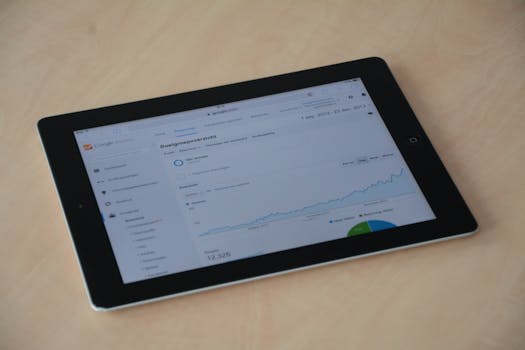 Photo: weCare Media / Pexels
 Photo: Sergey Meshkov / Pexels